
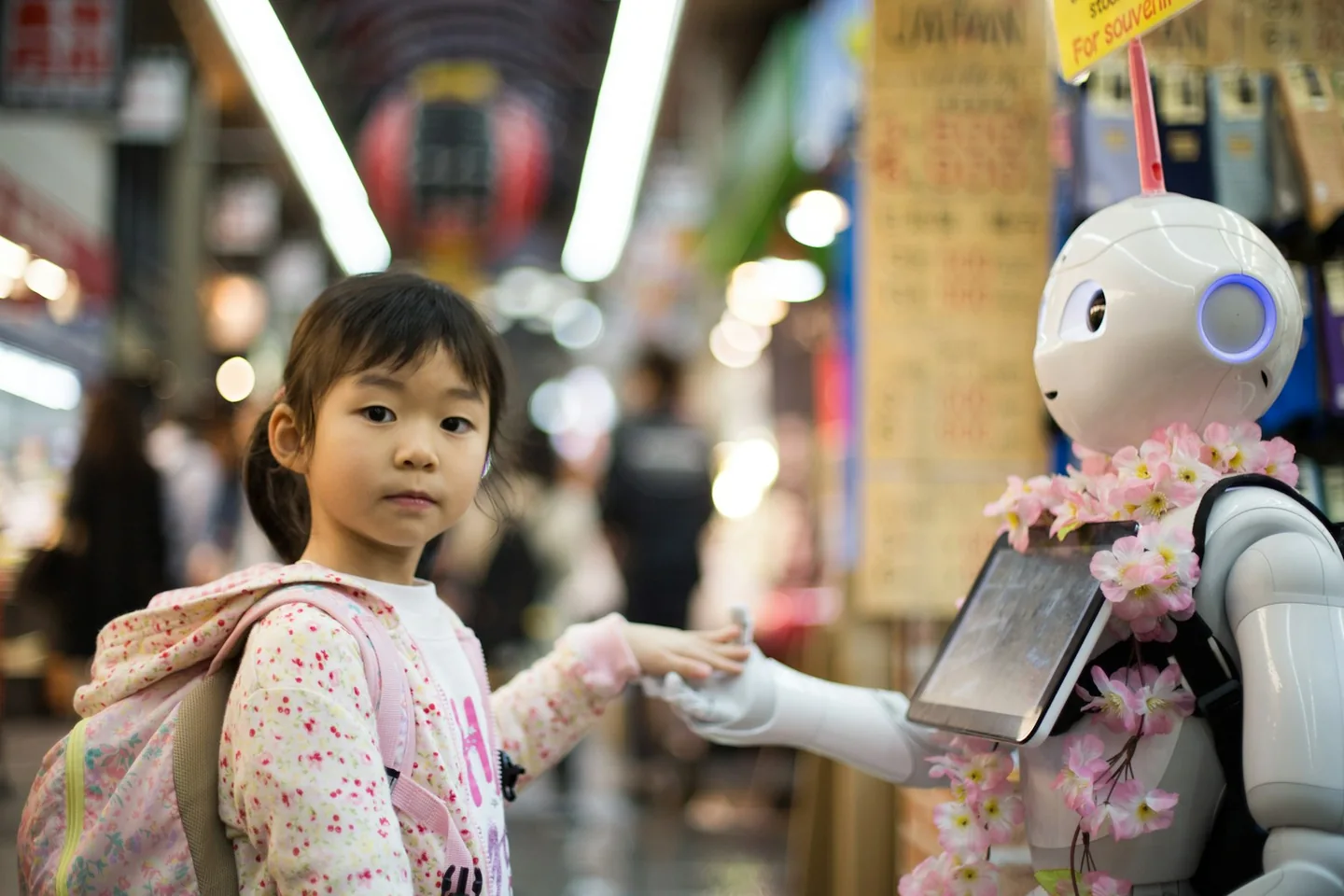
What makes a robot feel understandable, trustworthy, and genuinely useful to the person standing in front of it?
Human-robot interaction is the bridge between technical capability and lived experience. A robot may have excellent sensors, advanced conversational AI, and precise motors, yet still fail if people cannot predict its next action, understand its limits, or recover when something goes wrong. For lifelike androids and social robots, every glance, pause, gesture, and word becomes part of the interface.
This guide explains how teams can design human-robot interaction as a complete system. It connects embodiment, dialogue, movement, trust, safety, and testing with the cross-disciplinary approach behind Mimic Androids. The aim is not to make machines impersonate people. It is to create clear experiences in which humans know what the robot can do and what will happen next.
What Human-Robot Interaction Means
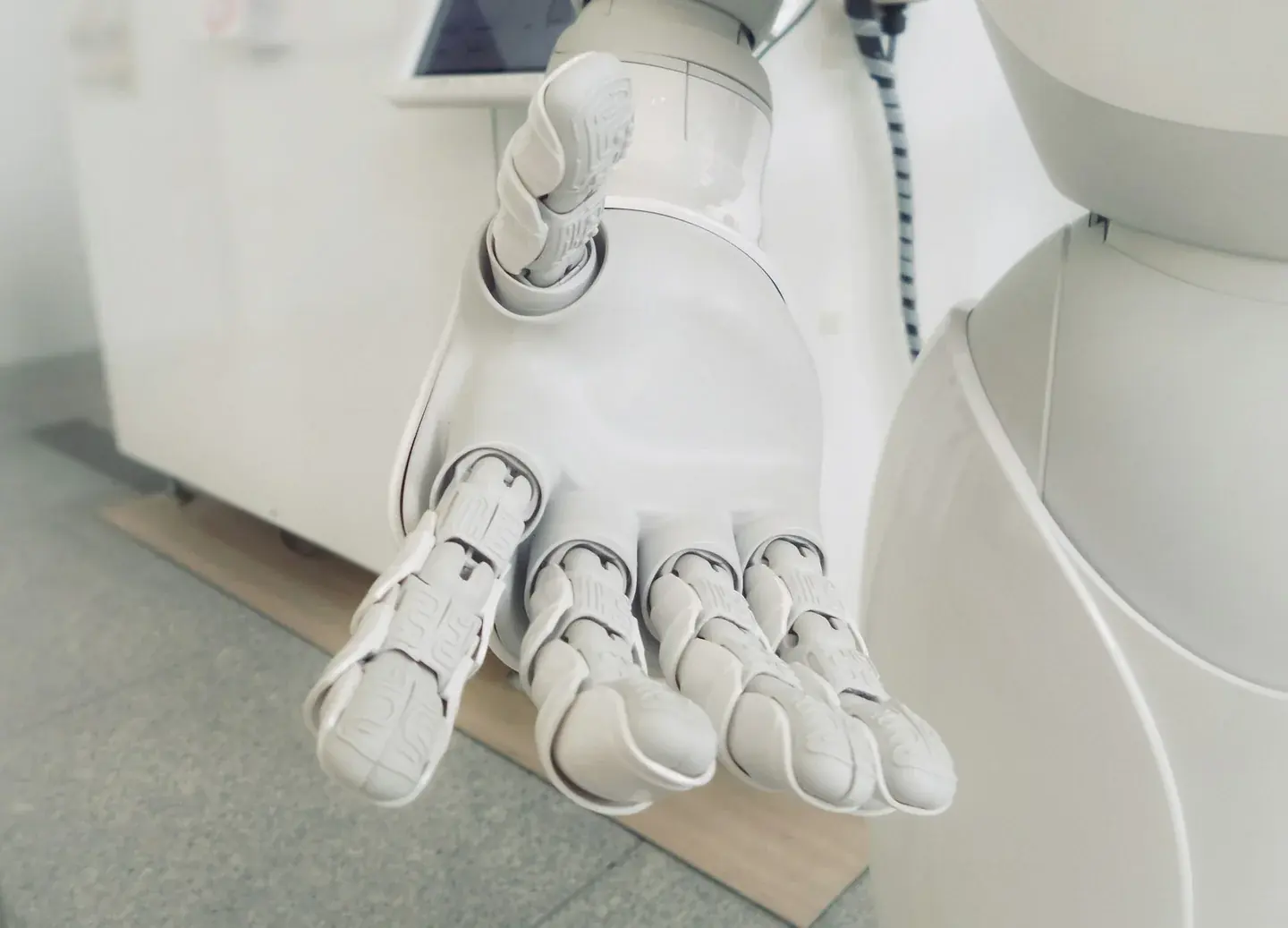
Human-robot interaction covers every exchange between a person and a robotic system: spoken dialogue, touchscreens, body language, shared tasks, personal space, handovers, alerts, and the moment an operator steps in. It is both engineering and experience design. The robot must perceive the environment, choose an action, communicate its intention, and make that action legible to people.
A useful HRI design starts with a role rather than a technology demo. Is the robot greeting exhibition visitors, tutoring a learner, guiding a hospital guest, presenting a product, collecting information, or supporting research? The answer determines which behaviors need autonomy and which should transfer to a human. Mimic Androids’ solutions for human-facing android experiences are organized around these real interaction contexts.
Good interaction is not measured by how human the robot looks. It is measured by whether people understand it, complete the intended task, remain comfortable, and know what to do when the system reaches a limit. A stylized robot with consistent signals can outperform a photorealistic android whose speech, eyes, and timing feel disconnected.
Intent is visible: users can tell what the robot is about to do.
Feedback is immediate: the system confirms that it heard or completed an action.
Limits are explicit: the robot admits uncertainty and offers human assistance.
Recovery is designed: mistakes lead to a clear next step instead of a dead end.
Why Embodiment Changes the Experience
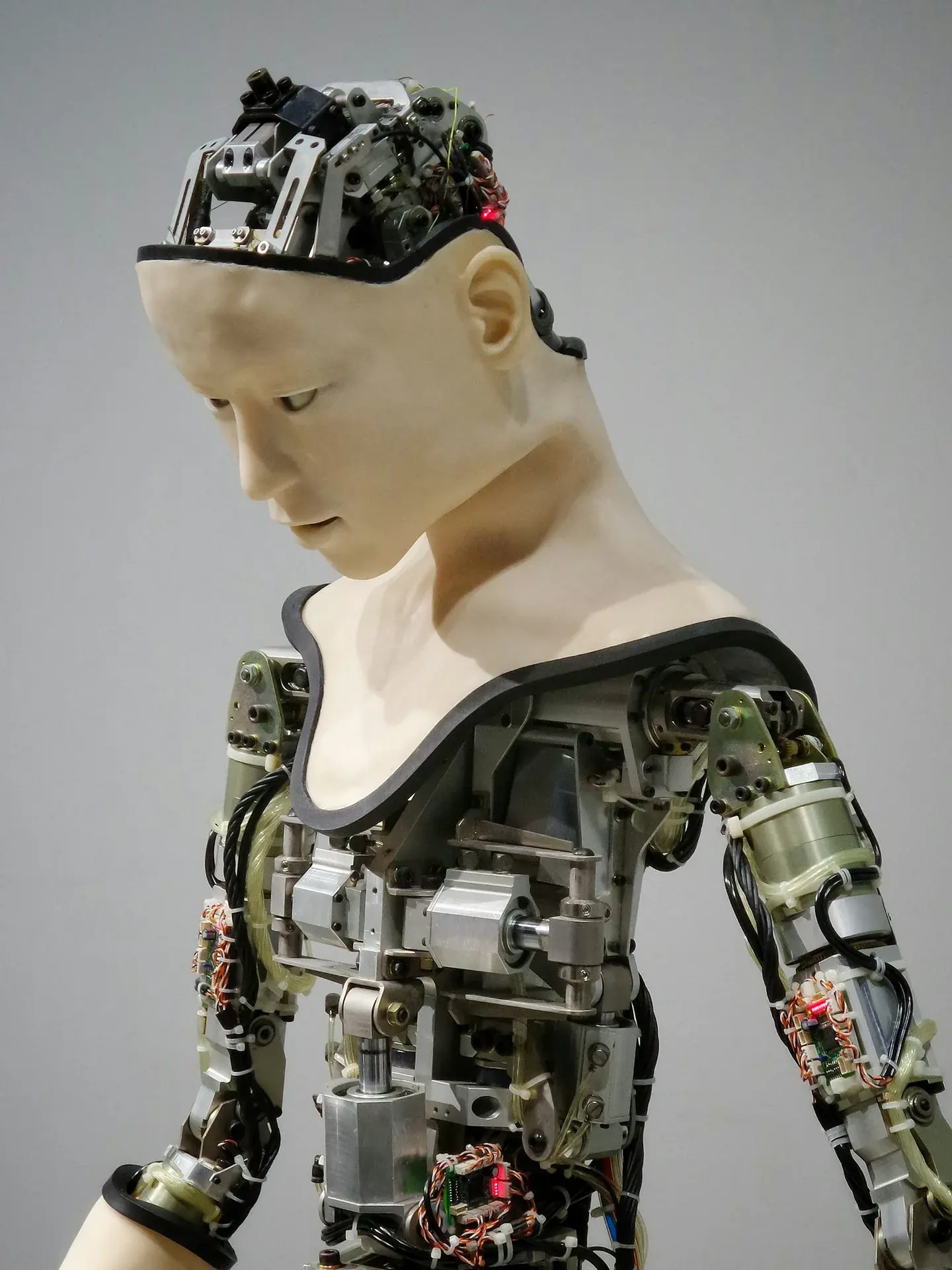
A chatbot lives inside a screen. A robot shares the room. That difference changes attention, trust, risk, and emotional response. People interpret a robot’s height, face, orientation, speed, and distance automatically. They may wait for eye contact, step aside when it turns, or assume that a humanlike face can understand more than the software actually can.
Embodiment gives designers powerful communication tools. Gaze can indicate who owns the conversational turn. Head orientation can point toward a destination. A hand can invite someone to place an object, and posture can signal whether the robot is active or waiting. The technology behind lifelike AI androids combines digital human realism, conversation, simulation, motion capture, and robotics because these layers must agree.
Realism should be proportional to capability. If an android has a highly expressive face but cannot handle interruptions, remember context, or explain an error, its visual promise exceeds functional reality. This mismatch creates frustration and can intensify the uncanny valley.
Coherence is the better target. Voice age, vocabulary, facial expression, motion range, response speed, and role should feel like parts of one character. Mechanical constraints should remain visible enough that users do not mistake a designed social presence for human consciousness, emotion, or authority.
Natural Conversation and Turn-Taking
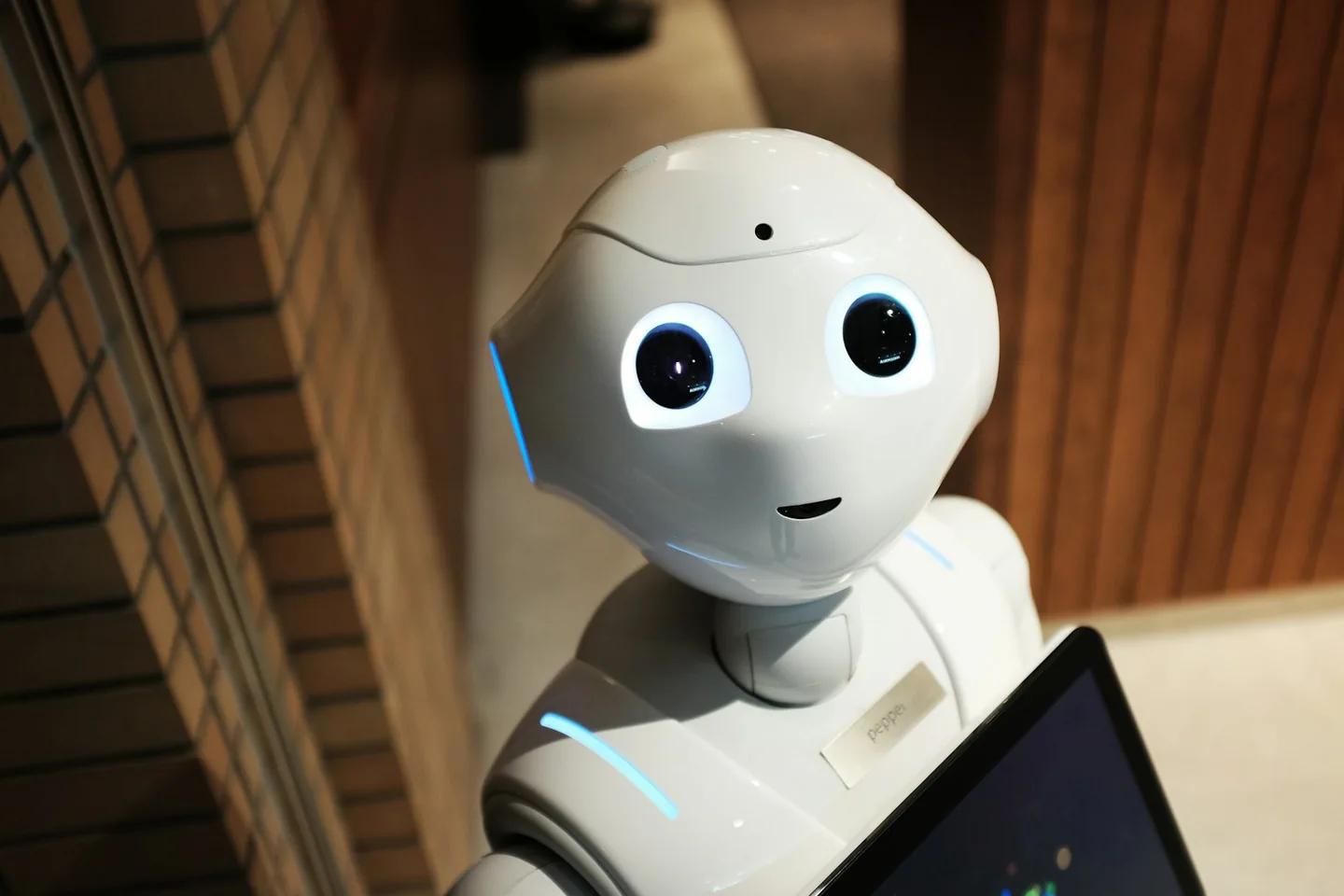
Conversation with a robot is not merely speech in and speech out. The system must decide when to listen, when to speak, how to show that it is processing, and how to handle overlap. Even a short delay feels confusing when the robot maintains eye contact without signaling that it is thinking.
Natural turn-taking coordinates small cues: a head movement when listening, a brief acknowledgment, a gaze shift before speaking, and a clear end-of-turn cadence. Users should be able to interrupt long answers, correct misunderstood details, or ask for a person. The guide to conversational AI for customer support robots explores this front-desk pattern in depth.
Language models broaden what a robot understands, but production dialogue still needs boundaries. Approved sources, short responses, identity rules, sensitive-topic restrictions, multilingual routing, and escalation policies should surround the generative layer. The robot must distinguish facts from suggestions and must not invent medical guidance, permissions, prices, or booking status.
Use short first answers and offer detail only when requested.
Confirm names, numbers, and high-impact choices before acting.
Design graceful phrases for low confidence, noise, and connection loss.
Keep a visible or spoken route to human assistance throughout the journey.
Movement, Gaze, and Expressive Behavior
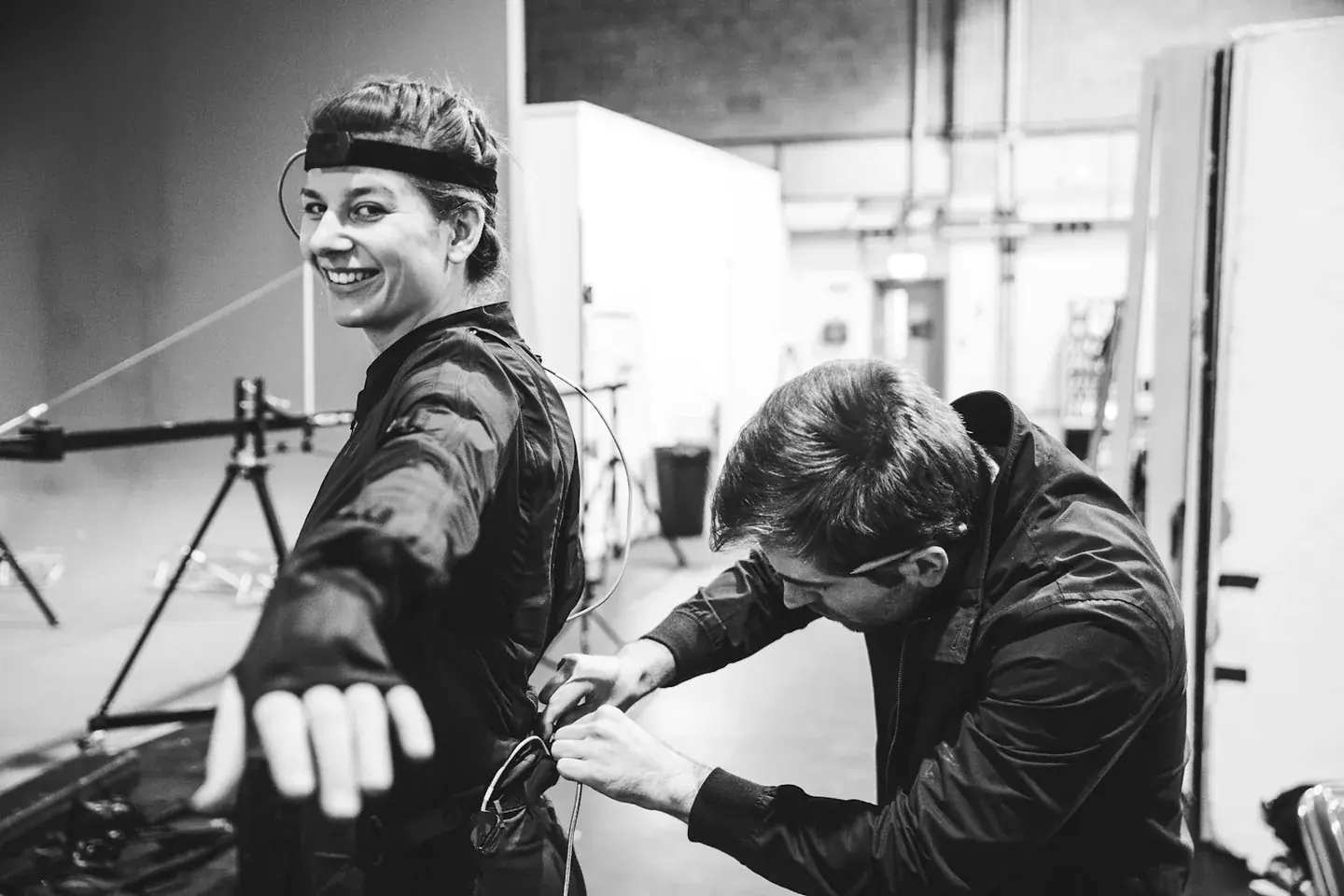
People notice motion inconsistency immediately. A face may smile while the shoulders stay rigid; eyes may track too continuously; a hand gesture may arrive after the sentence it explains. These timing errors make an interaction feel mechanical or unsettling even when each component works in isolation.
Motion capture and performance reference help teams study rhythm without copying human movement blindly. Captured gestures must be retargeted to joint limits, balance, speed, and safety. Mimic Androids’ capabilities from digital human design to android interaction connect visual realism, expression systems, simulation, and physical behavior.
Gaze should be purposeful rather than constant. The robot can orient toward a speaker, briefly look at an object it references, and release eye contact naturally. In groups, gaze distributes attention and clarifies turn ownership. In public, the robot should not stare at passersby or track people who have not chosen to interact.
Interpersonal distance matters as much as expression. Greeting distance, approach speed, arm reach, and navigation paths should fit the venue and audience. Children, older adults, wheelchair users, and people with sensory differences may need different pacing and positioning. Inclusive testing must shape the defaults.
Trust, Safety, Privacy, and Transparency
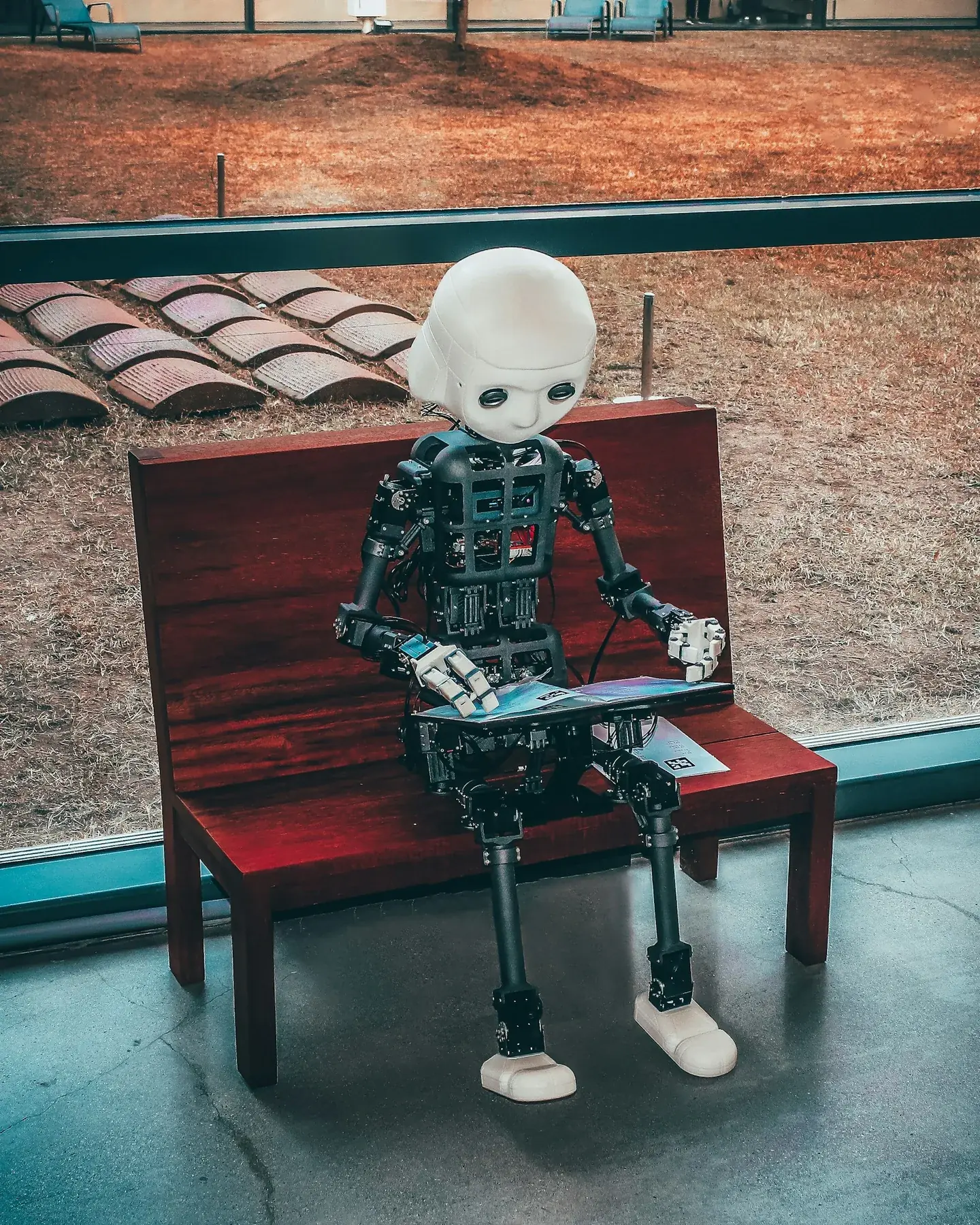
Trust is not created by a friendly face alone. It comes from reliable behavior, understandable limits, and evidence that the organization remains accountable. The robot should identify itself, explain why it uses cameras or microphones, and avoid implying emotions, memory, or authority it does not possess.
Safety needs layers. Physical systems require speed and force limits, collision detection, emergency stops, safe poses, and supervised recovery. Interaction software needs content boundaries, access control, audit logs, and human escalation. A network failure should lead to a calm limited mode rather than unpredictable behavior.
Privacy should be visible within the interaction. Users need to know when recording begins, what data is required, how long it is retained, and how to continue without optional identification. In sensitive environments, local processing and data minimization can be more valuable than another personalization feature.
Simulation provides a safe place to rehearse crowded routes, accidental touch, repeated misunderstandings, hostile prompts, sensor loss, and handoff failures. The article on humanoid robotics simulation and digital twins explains how this reduces risk before hardware choices become expensive.
Human-Robot Interaction Use Cases
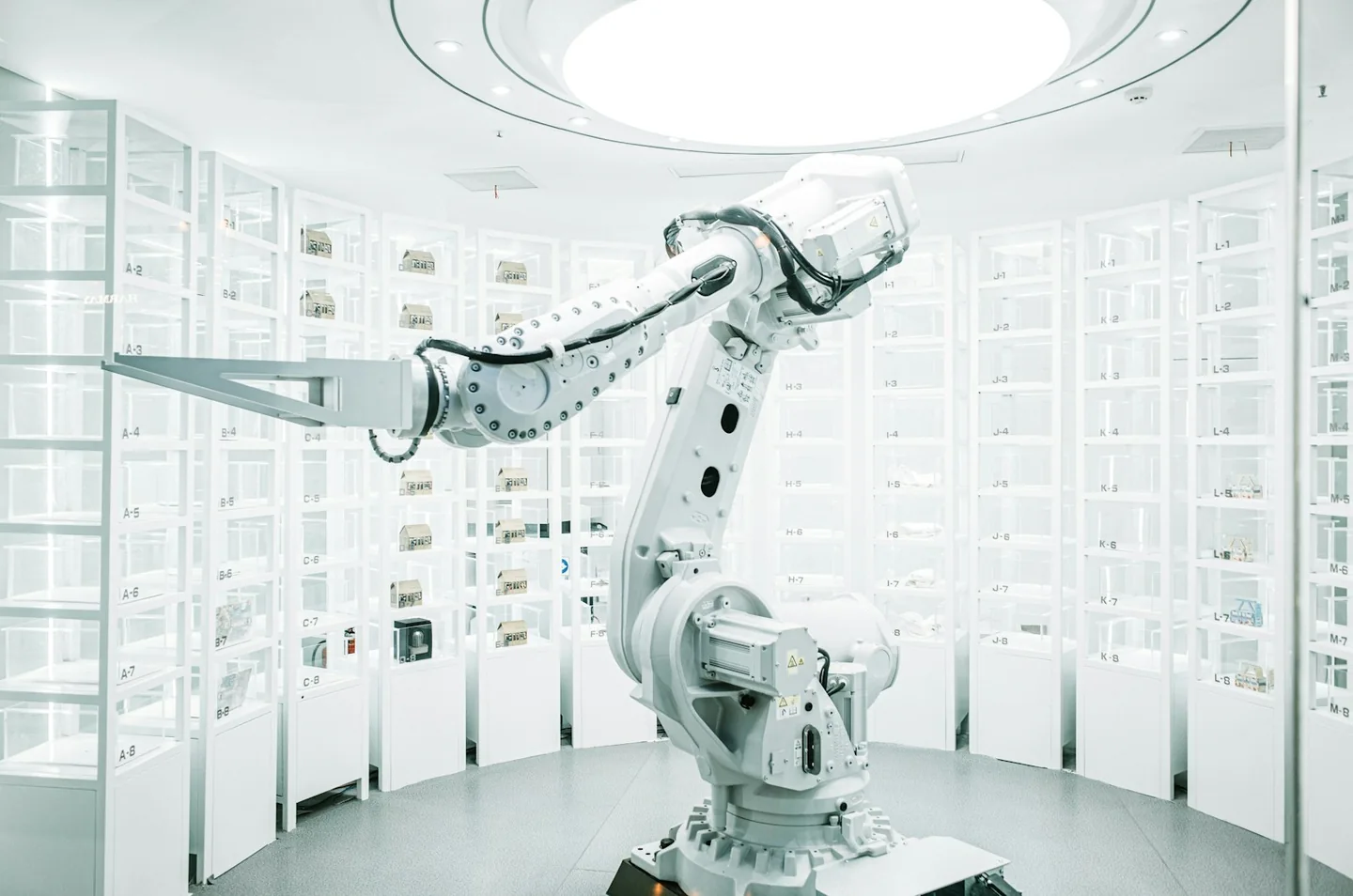
HRI works best where the role is focused, the environment is understood, and staff own the exceptions. The goal is not to find the most futuristic task. It is to identify a repeated interaction that becomes clearer, more accessible, or more engaging through embodiment.
In retail and exhibitions, robots can welcome visitors, demonstrate products, answer common questions, collect opt-in leads, and create a memorable brand moment. In hospitality and reception, they can provide directions, support check-in steps, and route requests. In education, physical presence can support language practice, coding, social learning, and research when teachers remain in control.
Healthcare and care environments require greater caution. Robots may guide visitors, provide reminders, support engagement activities, or connect people to staff, but should not replace diagnosis, consent, or human care. Lessons from NAO robots in education and modern AI tutors show that outcomes depend on the program, facilitator, and interaction design—not novelty alone.
Global deployments require language and cultural adaptation. Gesture meanings, formality, personal space, voice preferences, and privacy expectations vary. The guide to multilingual robots provides complementary patterns for language selection, fallback, and human support.
A Practical Design and Testing Process
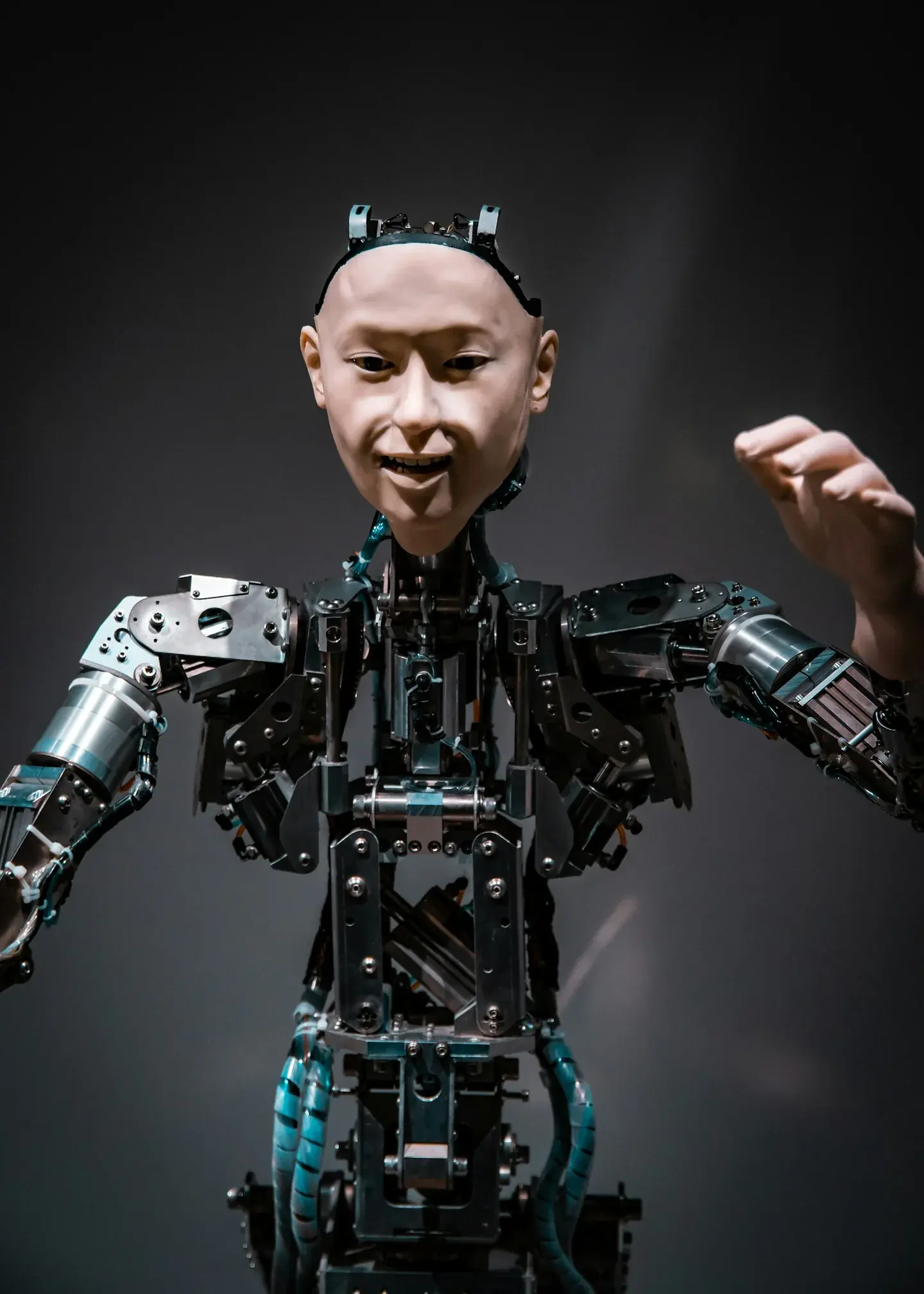
Start with a one-sentence job: who the robot helps, in which environment, and what successful completion looks like. Map the journey from first notice to departure, including consent, accessibility, errors, staff handoff, and shutdown. This prevents the project from becoming a collection of impressive features without a dependable experience.
Prototype at several levels. Use scripts and role-play before software exists. Test dialogue on a screen, then add a simulated body, then a partial physical rig, and finally the complete robot in a controlled version of the venue. Each stage should answer specific questions and retire risk before the next investment.
Define role, audience, environment, boundaries, and accountable human owner.
Create conversation flows, gesture vocabulary, gaze rules, and safe idle behavior.
Prototype in simulation and test expected journeys plus failure scenarios.
Run sessions with representative users, including accessibility needs.
Measure task completion, comprehension, comfort, recovery, and handoff quality.
Pilot with trained staff, limited hours, logging, and clear stop criteria.
Novelty is a weak long-term metric. Track whether people complete tasks, understand instructions, need repeats, abandon the interaction, request human help, or report discomfort. Compare outcomes over repeated visits, because a robot that delights once may become inefficient when used every day.
A cross-disciplinary review should happen before public deployment. Robotics engineers, conversation designers, animators, safety specialists, operations staff, privacy owners, and representative users need a shared definition of readiness. Learn about Mimic Androids as a human-facing robotics studio or browse android and AI interaction insights for more context.
Frequently Asked Questions
What is human-robot interaction?
Human-robot interaction, or HRI, is the design and study of how people and robots communicate, coordinate, share space, and understand one another. It covers conversation, interfaces, body language, physical safety, data use, and human supervision.
Why does a humanoid body change interaction?
People automatically read faces, gaze, posture, hands, movement, and distance as social signals. A humanoid form creates useful communication channels, but it also raises expectations that the robot’s software and behavior must meet.
How can a robot build trust without pretending to be human?
Trust grows from predictable behavior, transparent data use, clear capability limits, safe movement, and reliable human handoff. A robot can be warm and expressive while still identifying itself as a machine.
What causes the uncanny valley?
The uncanny valley often appears when a robot looks almost human but its voice, eyes, timing, skin, or movement behaves inconsistently. Coherent appearance and behavior matter more than maximum realism.
Can conversational AI make robot dialogue natural?
It can help, but a language model is only one layer. Speech recognition, latency, interruption handling, gaze, gesture, approved knowledge, fallback behavior, and escalation all shape whether dialogue feels natural.
How should HRI be tested?
Test focused tasks with representative users. Include noise, interruptions, accessibility needs, privacy moments, network failures, ambiguous requests, and human escalation. Measure task success, comprehension, comfort, errors, and recovery.
Which industries benefit from HRI design?
Retail, hospitality, exhibitions, education, healthcare support, research, entertainment, enterprise reception, and public information services benefit when robots have focused roles and trained staff own the exceptions.
Do interactive robots replace human service?
The strongest deployments augment people. Robots handle repeatable guidance, demonstrations, common questions, and basic data capture, while humans retain empathy, judgment, conflict resolution, and accountability.
Conclusion
Human-robot interaction turns a robotic platform into an understandable participant in a real environment. The strongest systems align appearance, movement, dialogue, safety, and operational support. They communicate intentions, admit limits, protect user choice, and transfer responsibility to people whenever judgment or empathy is required.
Planning a lifelike android, conversational robot, exhibition experience, simulation, or human-facing prototype? Contact Mimic Androids to shape the interaction from concept through testing—with the role, behavior, technology, and safeguards designed as one coherent system.
Sources and scope
This guide discusses general planning considerations. Mimic Androids focuses on digital human assets, facial expression, interaction concepts and simulation. Physical manufacture, hardware integration, certification and support require a separately agreed scope and qualified partners.
AI-assisted editing was used to organise this guide. The links above identify supporting product documentation or our published work; planning recommendations are not a product guarantee or a safety certification.