
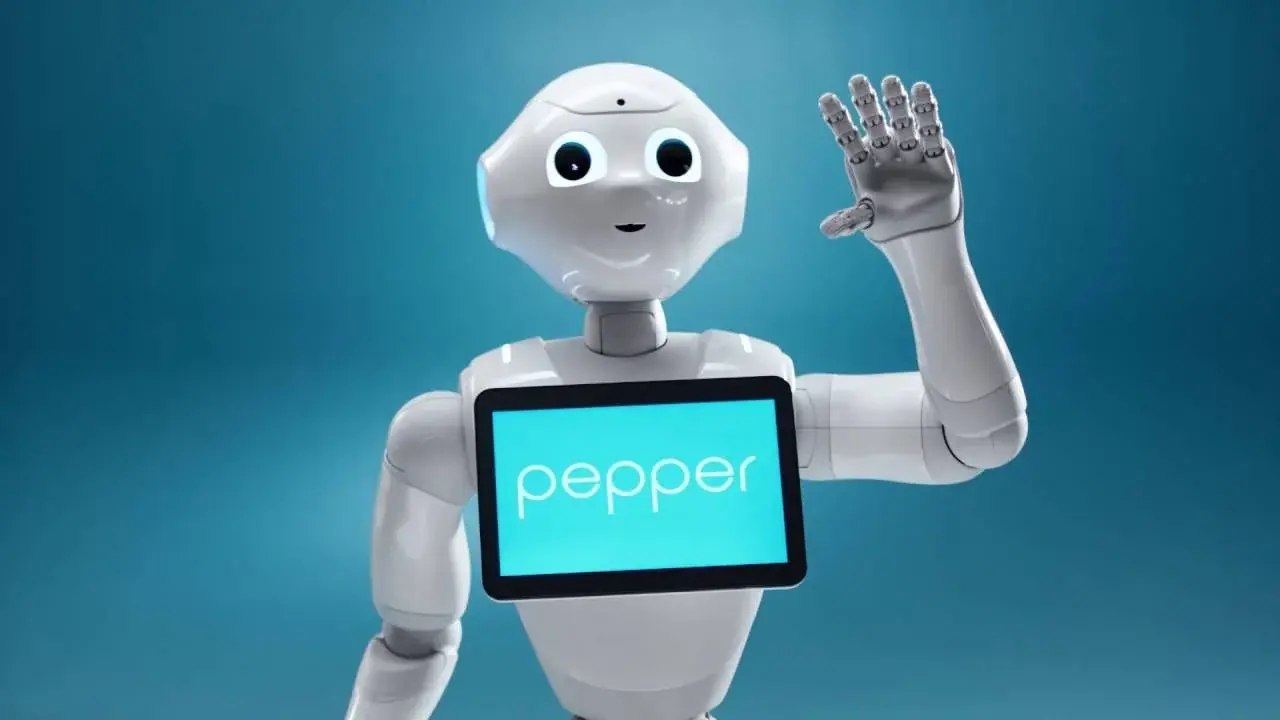
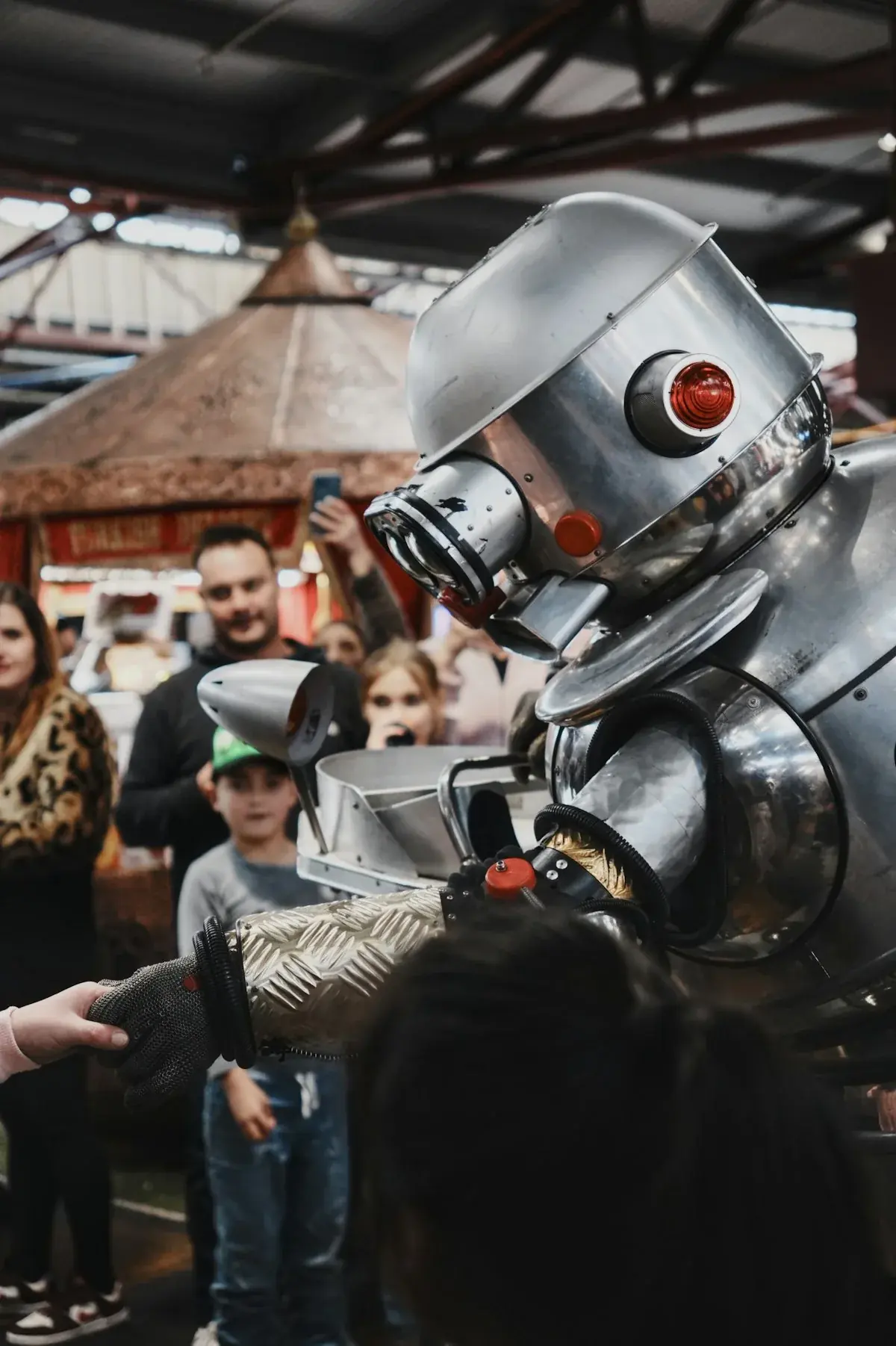
Should your next event use a physical humanoid robot or a digital human on a screen?
Choose a physical robot when its presence, movement or material form is central to the experience. Choose a digital human when your priority is an adaptable character that explains, guides or converses through a screen. Neither format guarantees better engagement: the right choice depends on the visitor task, operating environment, content and support available on the day.
Digital humans for events can welcome guests, explain a product or guide people toward a meeting. A humanoid robot can make that encounter physically distinctive, but it introduces hardware and operational dependencies. This guide helps brand teams, agencies and exhibition organisers compare the options before requesting a proposal. Mimic Androids contributes digital human assets, expression design, conversational experiences and prototypes; physical hardware and deployment responsibilities must be agreed separately with the relevant partners.
Choose the format around a visitor task
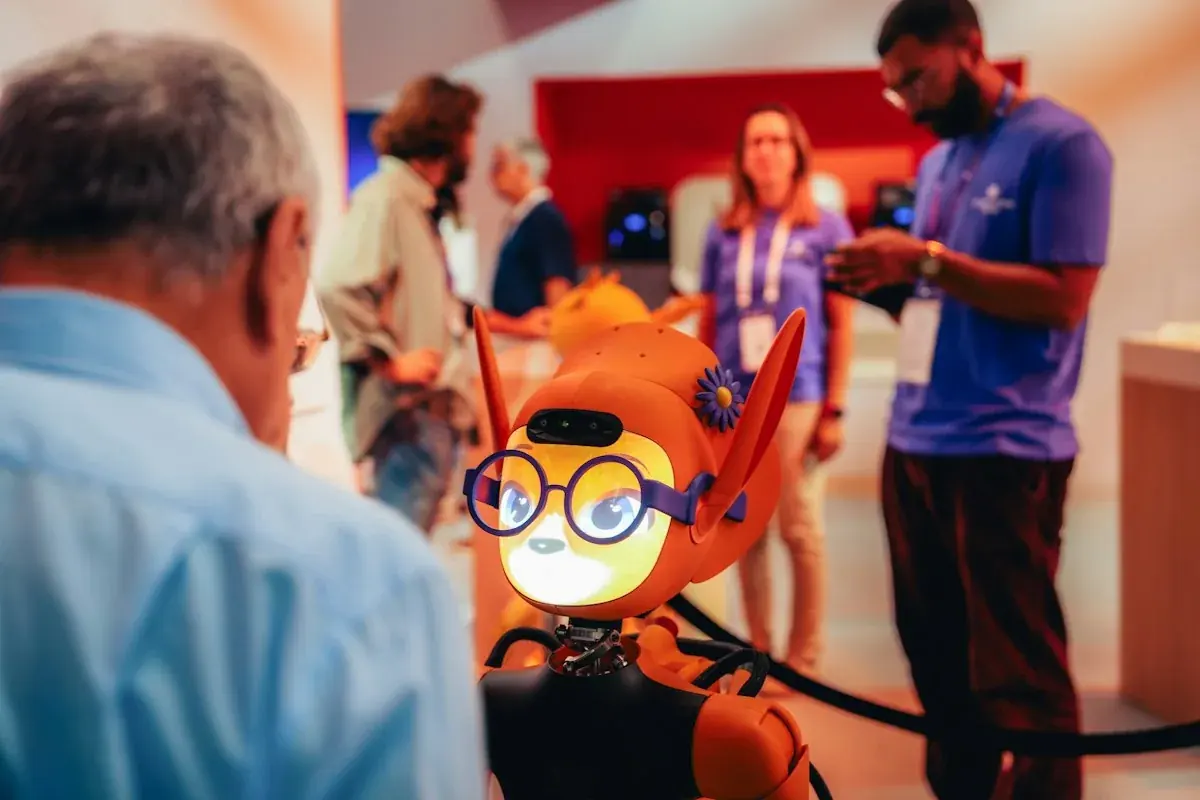
Start with a sentence describing what a visitor should accomplish. For example: understand which product demonstration fits their needs, find the correct stand, or leave with an agreed next step. This is more useful than asking for a robot that will attract attention. It gives the creative and technical teams a shared definition of success and helps them decide whether a conversation is even necessary.
A screen-based digital human is a rendered character presented on a display, kiosk or other digital interface. Its appearance can be designed independently of a mechanical face. That gives the team flexibility over expressions, wardrobe and visual identity, within the limits of the rendering system. The screen, speakers, microphone, installation and software still need integration and testing. A convincing film of an avatar is not proof that a live conversational version will behave equally well.
A humanoid robot is a physical platform with a broadly humanlike form. Its available movements, expressive range and sensors depend on the specific model. A robot may be stationary, remotely operated, scripted or partly autonomous. Ask the supplier to describe the operating mode for the exact proposed experience. Do not infer free movement, reliable object handling or unrestricted conversation from a promotional video.
A prerecorded character performance is another valid option. If the brief is a timed launch moment or a repeatable explanation, a controlled animation may be more appropriate than open-ended AI. It can be rehearsed against lighting, sound and a presenter. The Etisalat robot-character project illustrates Mimic's rigging and animation work for an advertising film; it is not evidence of a physical robot deployment.
There are commercial examples of both live formats. Engineered Arts describes robot rentals for events, while UneeQ describes digital-human event experiences. These are examples of provider offerings, not recommendations that either platform fits every brief. Compare the proposed deliverable with your own audience and review Mimic Androids' experience solutions when deciding where bespoke character and interaction work would add value.
Design a useful conversation, not an unlimited chatbot
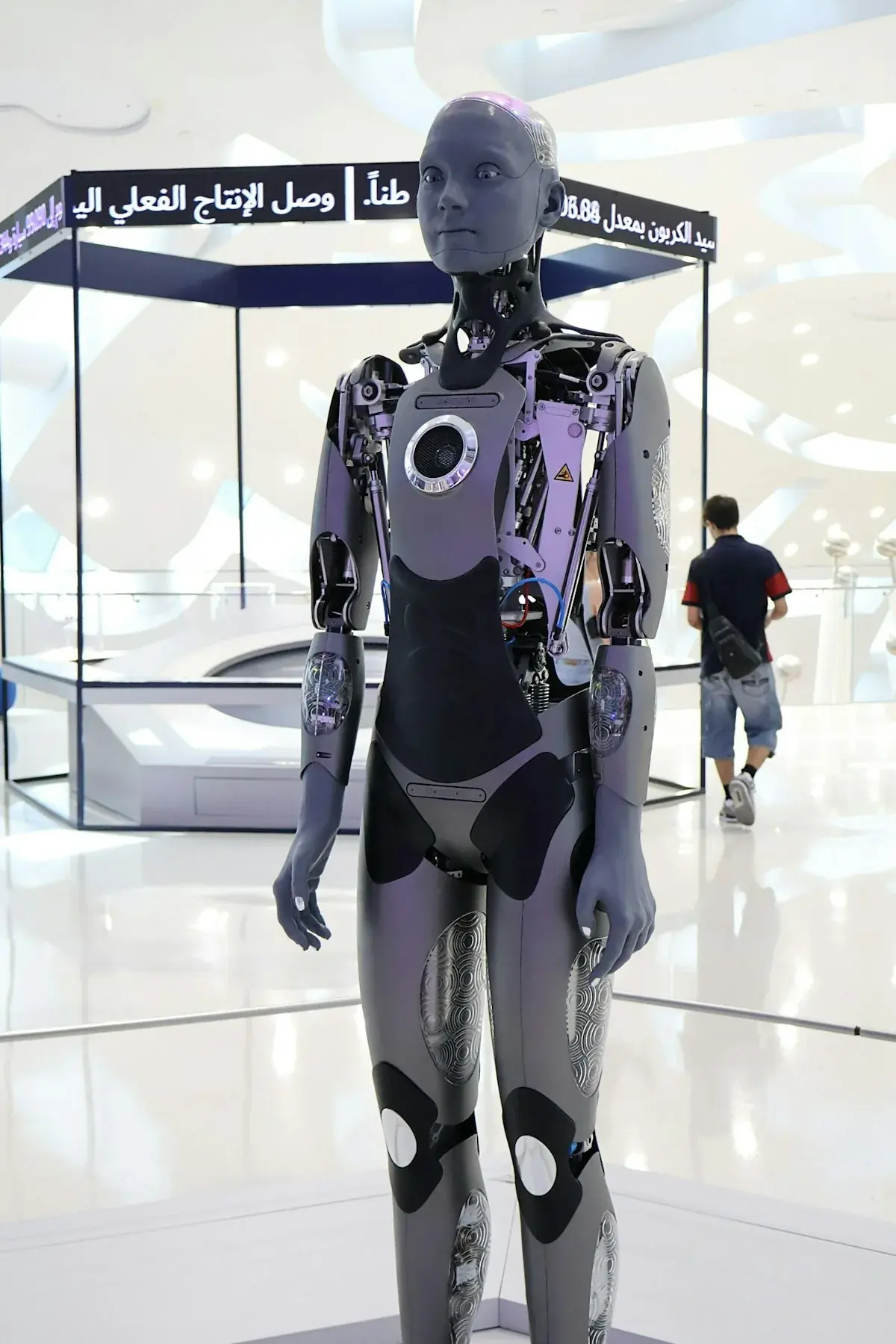
An event encounter is usually brief and easily interrupted. A visitor may approach halfway through a demonstration, speak over a colleague or leave while the system is answering. Design an opening that states what the character can help with, offers two or three useful starting points and makes it easy to end the interaction. A good character should not need a long explanation before it becomes useful.
Keep the knowledge scope explicit. Supply approved product facts, event directions, session details and answers to recurring questions. Assign an owner to check those materials before launch and to correct time-sensitive information during the event. If a question falls outside the approved scope, the system should acknowledge the limitation and offer a human handover or another reliable source. It should not invent specifications, pricing or commitments to keep the conversation moving.
Voice and face need to communicate the same state. Visitors should be able to tell when the character is ready, listening, processing or speaking. A short acknowledgment can be more understandable than an unexplained pause, but continuous nodding or an inappropriate smile can be distracting. The same principles apply to a robot and a digital human. Our human–robot interaction guide explains the wider design considerations behind these exchanges.
Plan the route to a qualified enquiry. After a relevant explanation, the visitor might choose to speak to a specialist, book a demonstration or request follow-up information. That choice should be voluntary and easy to understand. Keep contact collection separate from general conversation wherever practical, and have the organisation's privacy owner review the process. A system that talks convincingly but cannot hand the visitor to the right person may create activity without helping the sales team.
For multilingual audiences, test actual phrases and names with speakers of the intended languages. A list of supported languages does not establish recognition quality in a noisy hall or the suitability of translated brand terminology. Include fallback text, a clear way to change language and a human option. Read our multilingual interaction planning guide alongside the guide to customer-facing conversational AI. Accessibility and language coverage should be part of the brief, rather than additions made after the visual design is approved.
Check venue requirements and the full project budget
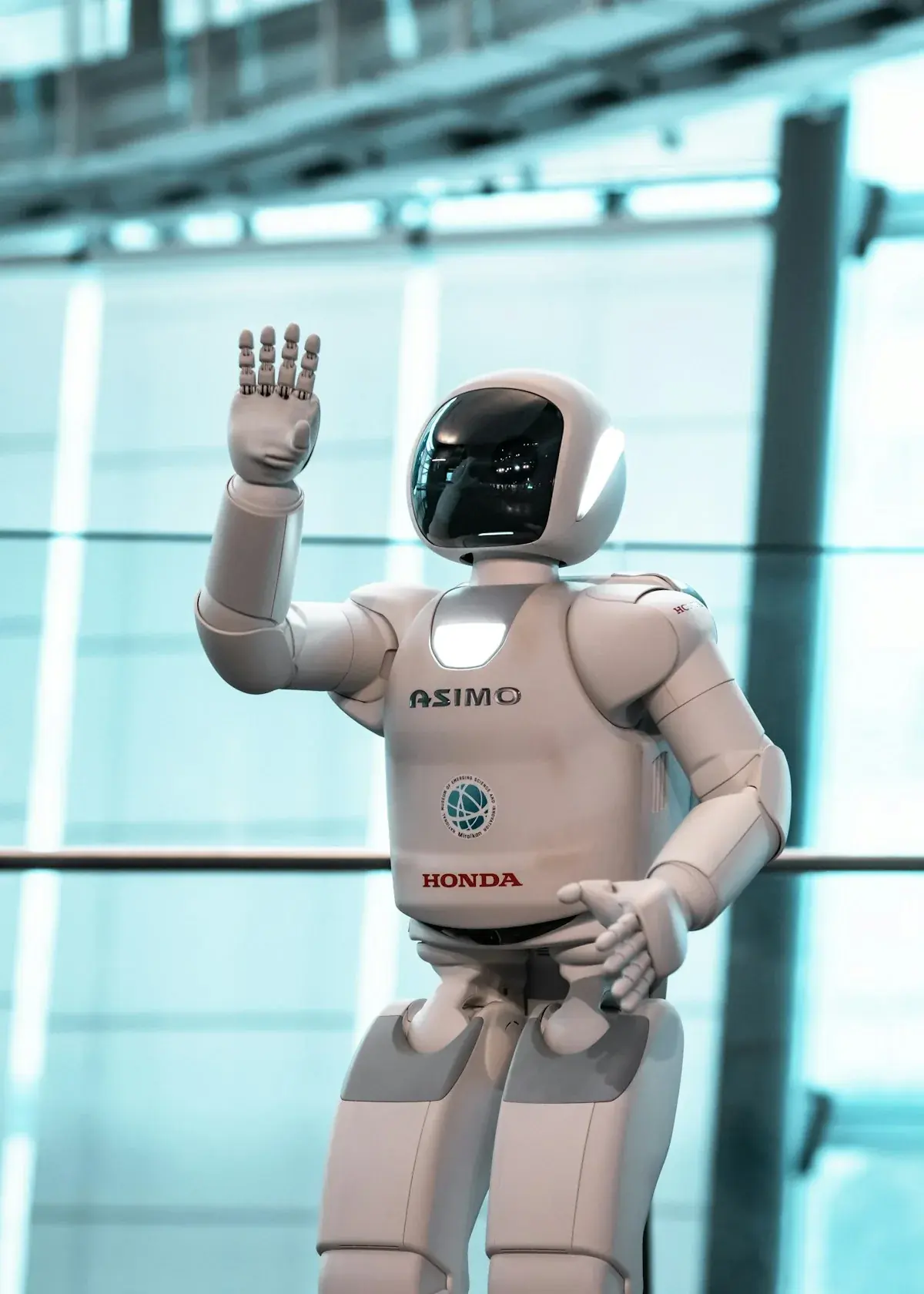
Evaluate the venue before committing to a format. Record the usable footprint, queue space, power supply, background noise, lighting, connectivity and installation window. Ask how the experience behaves when the network becomes slow or unavailable. A digital human may depend on several remote services; a robot may also need a network connection for parts of its conversation stack. Neither should be described as offline-capable without testing the exact configuration.
Physical robots introduce platform-specific requirements. Confirm transport, unpacking, setup, operating supervision, permitted movements and the responsibilities of the hardware provider. Discuss venue restrictions and risk assessment with the responsible specialists. A character designer cannot infer the safe operating envelope of a robot from its visual appearance. If mobility is unnecessary for the visitor task, consider whether a stationary presentation would simplify the experience.
A digital-human installation has its own practical constraints. Visitors must see the face clearly from the expected approach angle, hear the answer and understand where to speak or touch. Test reflections on the screen, caption legibility and the height of the interface. Provide an alternative route for visitors who cannot use the primary interaction. A beautiful render viewed on a designer's monitor is not a substitute for checking the actual display in representative conditions.
Budget in separate workstreams: character and expression development; conversation and approved content; software integrations; display or robot hardware; testing; installation and event support. Add the cost of revisions and any ongoing usage or maintenance. This makes proposals easier to compare and reveals who owns each dependency. Our humanoid project budget guide explores scoping factors, but a specific event still needs a proposal based on its dates, location and requirements.
Ask for assumptions, exclusions and acceptance criteria in writing. For example, define which languages and product topics are included, what the character should do when a visitor interrupts, who updates the content and what happens if equipment fails. Do not treat a low initial price as the total cost of a working activation. A modest, well-supported encounter can be more appropriate than a technically ambitious concept that has not been rehearsed. Compare suppliers on a complete operating plan, including the handover after the event.
Pilot the experience and measure useful outcomes
Test a small version before scaling the production. A pilot might use a single character, one language and a narrow set of questions on the intended interface. The purpose is to expose misunderstandings and dependencies while changes are still manageable. Mimic's digital human and prototyping capabilities can be scoped around a particular question, such as whether the proposed face, voice and interaction feel coherent together.
Write a rehearsal script that includes difficult situations. Try simultaneous speakers, unexpected questions, an interruption, a visitor walking away and a failed connection. Check whether staff can reset the experience and take over without confusion. Use representative venue audio where possible. Record what happened and what needs changing; a successful rehearsed conversation is only one test case, not evidence that every visitor interaction will succeed.
Choose a small set of outcome measures. Relevant examples include completed product explanations, requests for a specialist, meetings booked and qualified follow-up enquiries. Record the denominator for any conversion rate: people who passed the stand, people who started an interaction and people who completed it are different groups. Treat conversation duration as context, because a longer exchange may reflect interest or confusion. Avoid publishing an uplift percentage without a defined baseline and a credible measurement method.
Build a practical project brief with the event name and date, location, audience, desired visitor action, preferred format, languages, approved content owner and existing technical systems. Add visual references and constraints, but distinguish essentials from preferences. This allows a partner to propose an achievable approach rather than estimate an unspecified combination of robotics, animation and AI. The technology overview explains how appearance, motion and conversation connect in Mimic's approach.
After the event, review both the interactions and the operational experience with the team. Which questions came up repeatedly? Where did staff intervene? Did visitors understand the next step? Use only data collected through the agreed privacy process. A useful debrief can inform a permanent installation or a future event without assuming that the same character, content and hardware should simply be repeated. The best next version is the one supported by evidence from the actual audience.
Frequently asked questions
Is a digital human the same as a humanoid robot?
No. A digital human is a rendered character presented through a digital interface. A humanoid robot is a physical platform. Both may use conversational software, but their visual, mechanical and operational constraints differ.
Which format is better for a trade show?
Choose according to the visitor task. Physical presence may favour a robot; flexible appearance and screen deployment may favour a digital human. Compare the specific venue, conversation scope, staffing and support before deciding.
Can an event character answer any question?
It should not promise unlimited reliable answers. Define approved topics, knowledge sources and fallback behaviour, and test them. Questions outside that scope should lead to a clear limitation or human handover.
Does a robot work without internet?
That depends on the hardware and software configuration. Some functions may run locally while speech or AI services require connectivity. Ask the provider to demonstrate the agreed fallback with the network disconnected.
Can the experience collect leads?
It can be designed to offer a meeting or follow-up request. The collection method, disclosure, access and retention need review by the organisation's privacy owner. Do not automatically treat every conversation as permission for marketing.
How early should we start planning?
Start before the format and venue installation are fixed. The schedule depends on character assets, integrations, languages, hardware availability and testing. Request a project-specific timeline rather than relying on a universal lead time.
Does Mimic Androids supply robot hardware rentals?
This article does not offer a hardware-rental package. Mimic's stated scope covers digital human assets, facial expression, conversational experiences and prototypes. Physical hardware and deployment should be scoped with the relevant partners.
What should we include in an enquiry?
Share the event date and venue, audience, desired visitor action, languages and any technical constraints. A short description of the intended experience helps the team identify the right next questions without requiring a finished specification.
Plan your next step
A strong event experience starts with a useful interaction and an achievable operating plan. Decide what the visitor should accomplish, then choose the character format, knowledge scope and support that make it possible. Test the encounter under realistic conditions before treating an impressive demonstration as a finished deployment.
Discuss your event experience. Send Mimic Androids your event brief to explore character, expression, conversation and prototype requirements. Hardware responsibilities and delivery scope will be agreed for the project.