Define
Identify the audience, environment and interaction boundaries.
 Contact
The technology of human connection
Appearance, expression and conversation, designed to work together. We build the digital layers behind lifelike android experiences.
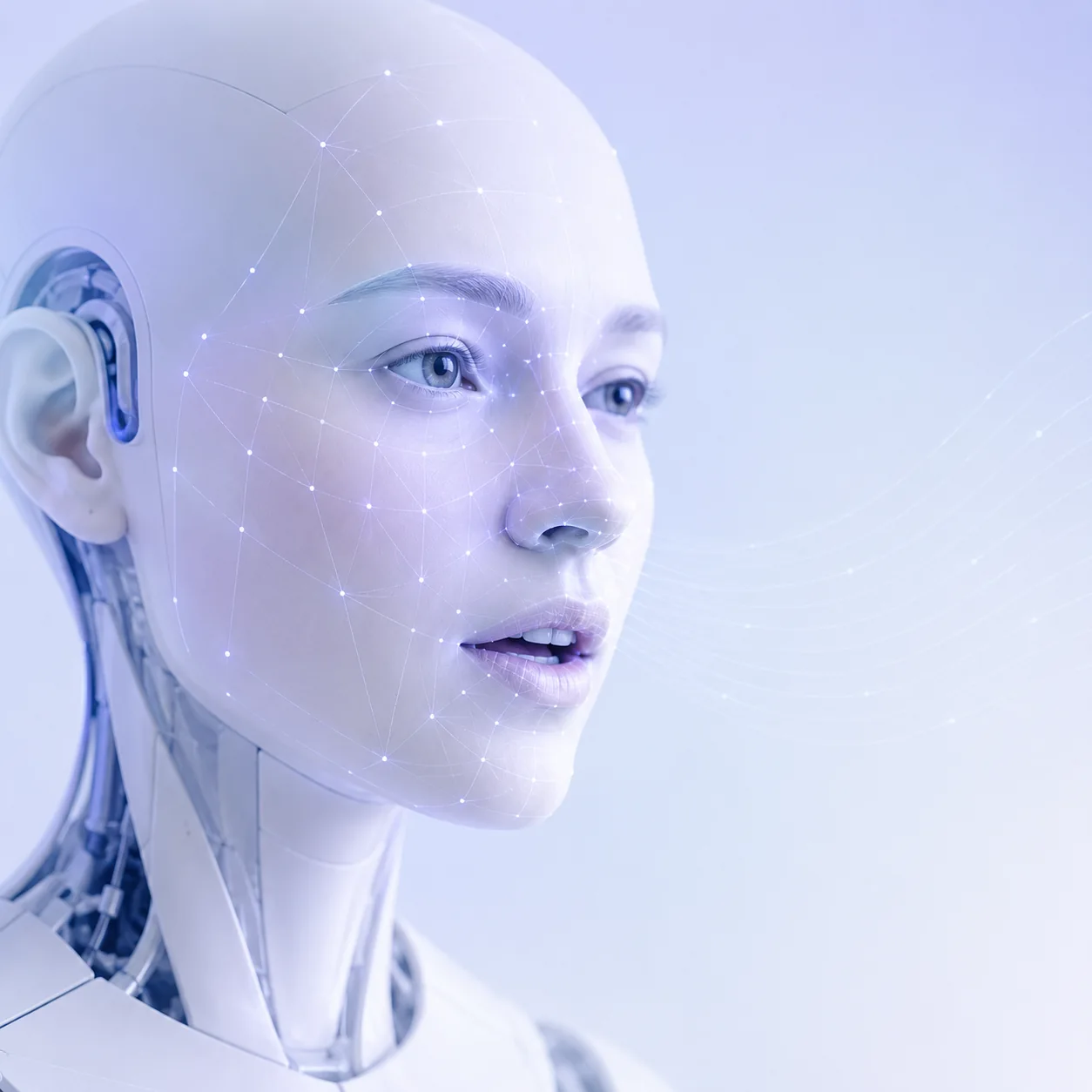
Beyond the surface
A convincing face is one part of an interaction. Gaze, movement, voice and response timing need to belong together.
From reference to response
Play a short illustrative study of a turning facial mesh and moving scan line. It shows how a surface can be examined through motion; it is not a demonstration of a physical robot or live scanning software.
In production, facial modelling, rigging and animation help teams review expression before an experience reaches its audience.
See our project contributionsFacial form, skin detail and expression studies help define who your character is and how people read it. The level of realism should suit the audience, viewing distance and screen or interface.
Start with the intended viewing distance and the expressions the character must communicate. A close-up digital face and a distant installation have different review needs. Our Sophia project provides a reference for digital facial work.
Conversational AI needs an interaction design around it. We define the character’s role, the subjects it can discuss, its response style and how it should handle uncertainty or pass a question to a person.
Define what drives each expression: an authored animation, a live performance or an agreed interaction event. A face does not supply a knowledge base or a robot control system by itself. Use the facial animation guide to prepare questions for technical scoping.
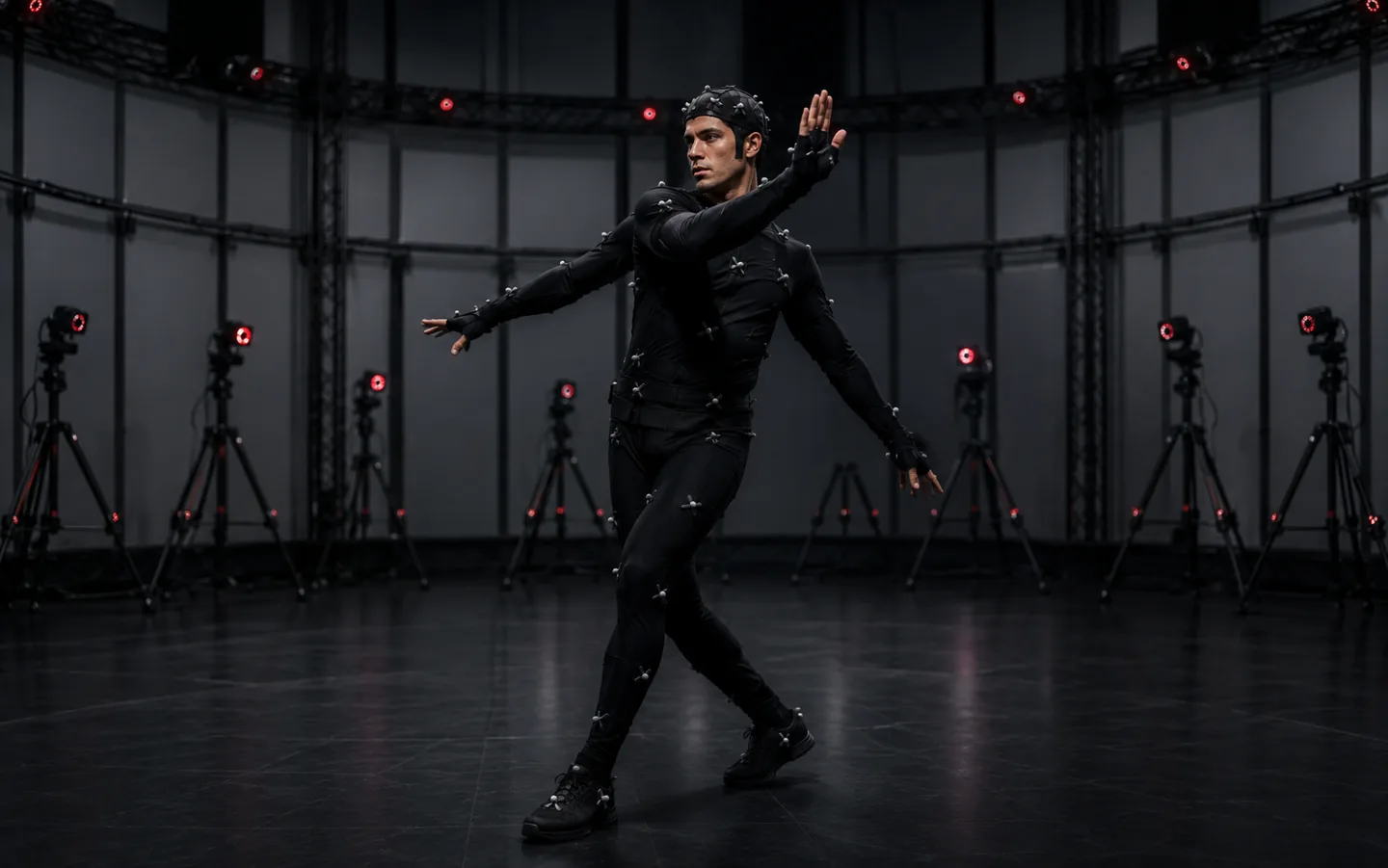
A digital prototype makes it easier to examine an experience before committing to a public installation or hardware integration. Test common questions, interruptions and transitions, then refine the behavior.
Agree what the prototype can demonstrate and what remains outside it. Reviewing a digital character can help evaluate appearance and timing; it does not validate a physical robot’s mechanics or public-use safety. Compare production capabilities before selecting the next stage.
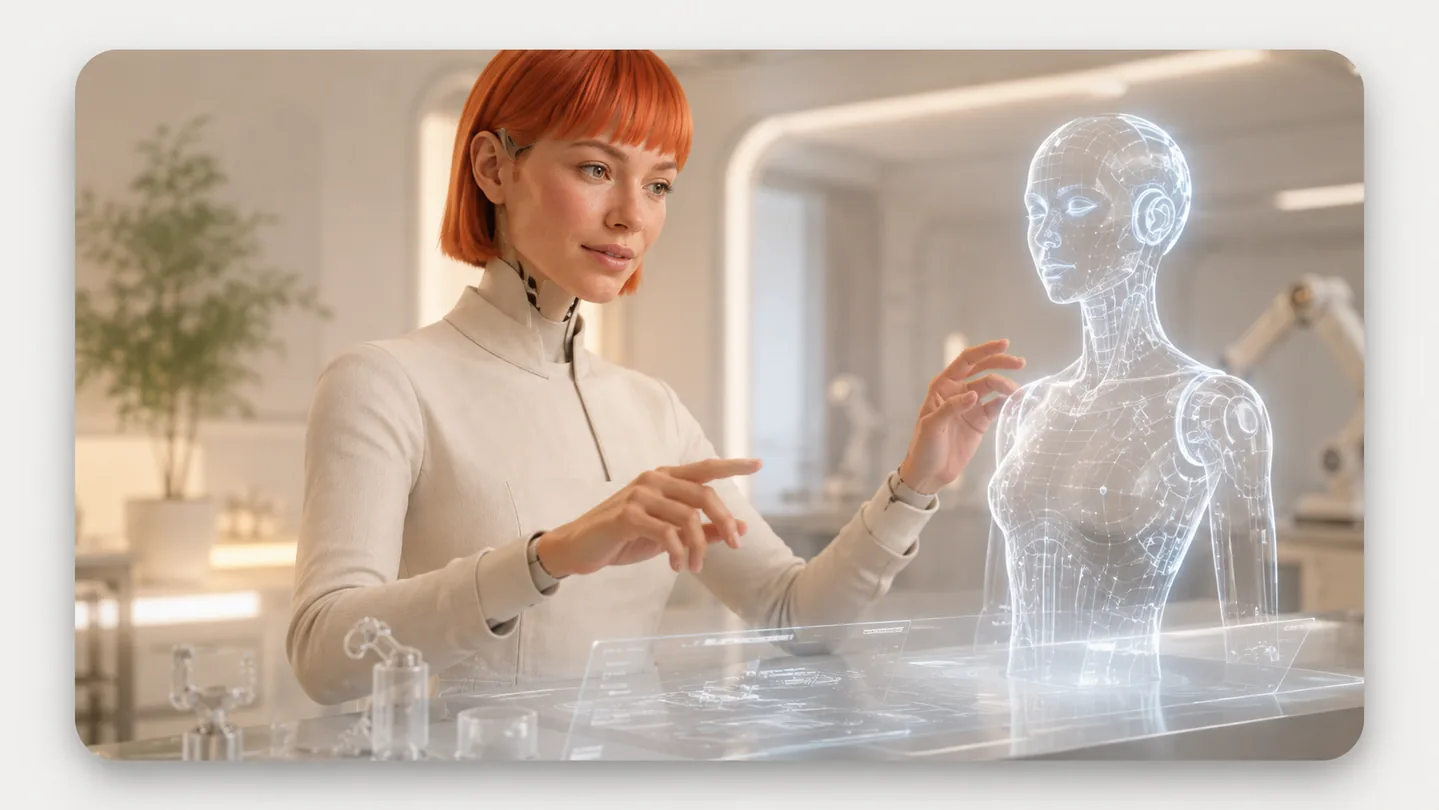
Identify the audience, environment and interaction boundaries.
Bring appearance, dialogue and expression into one prototype.
Review the experience against agreed scenarios and refine it.
It combines a digital character with animation, expression and interaction systems. Depending on the project, that character can support scripted dialogue or a conversational interface.
Mimic supports android concepts, facial studies and interaction prototyping. Hardware integration, mechanical engineering and production requirements must be scoped separately for a physical system.
The choice follows the intended task, available knowledge, language needs and deployment constraints. Specific providers and integrations are agreed during technical scoping.
Review answer quality, response timing, visual behavior, uncertainty handling and the path to human support. Testing should reflect the actual environment and intended users.