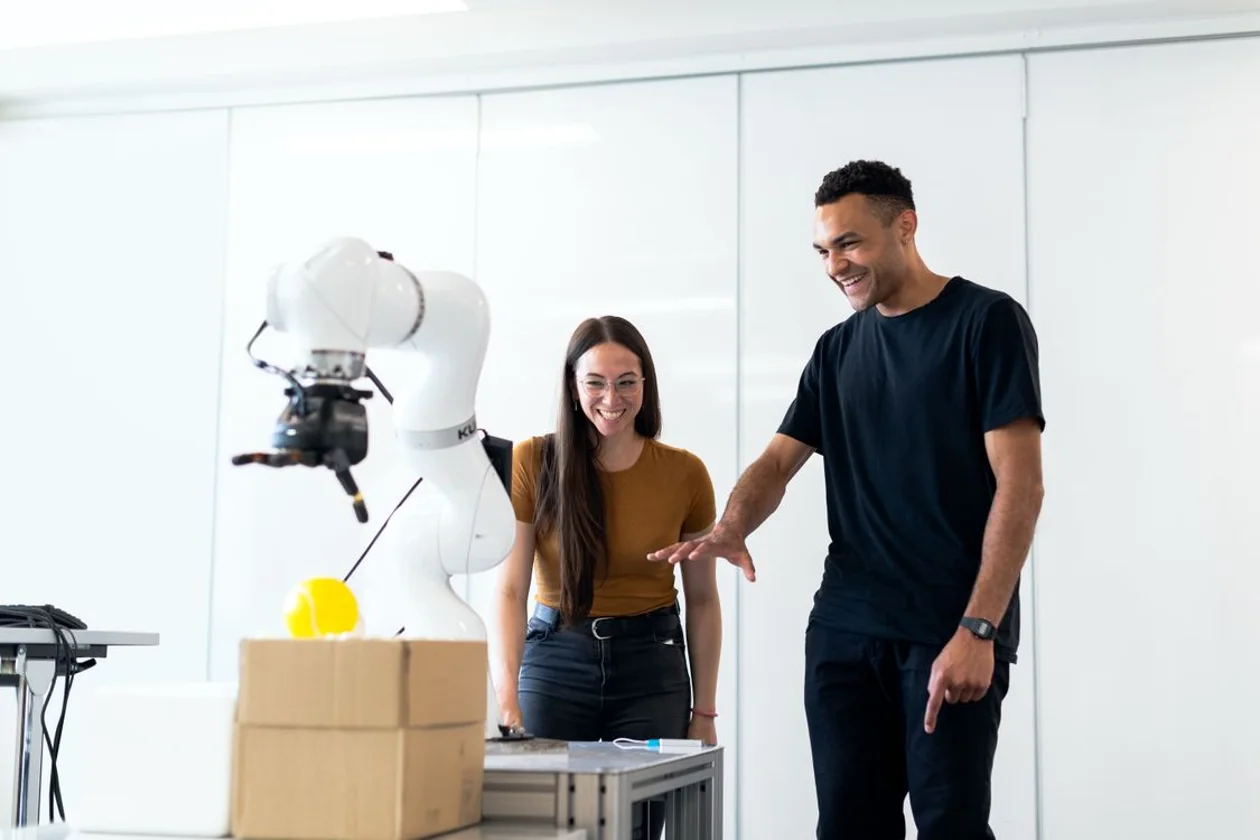
PlanningHumanoid Robot Design: From Concept to Digital Prototype
Plan humanoid robot design from brief to digital prototype. Explore faces, animation, conversation, deliverables and what to prepare before requesting a proposal.
Read the guide 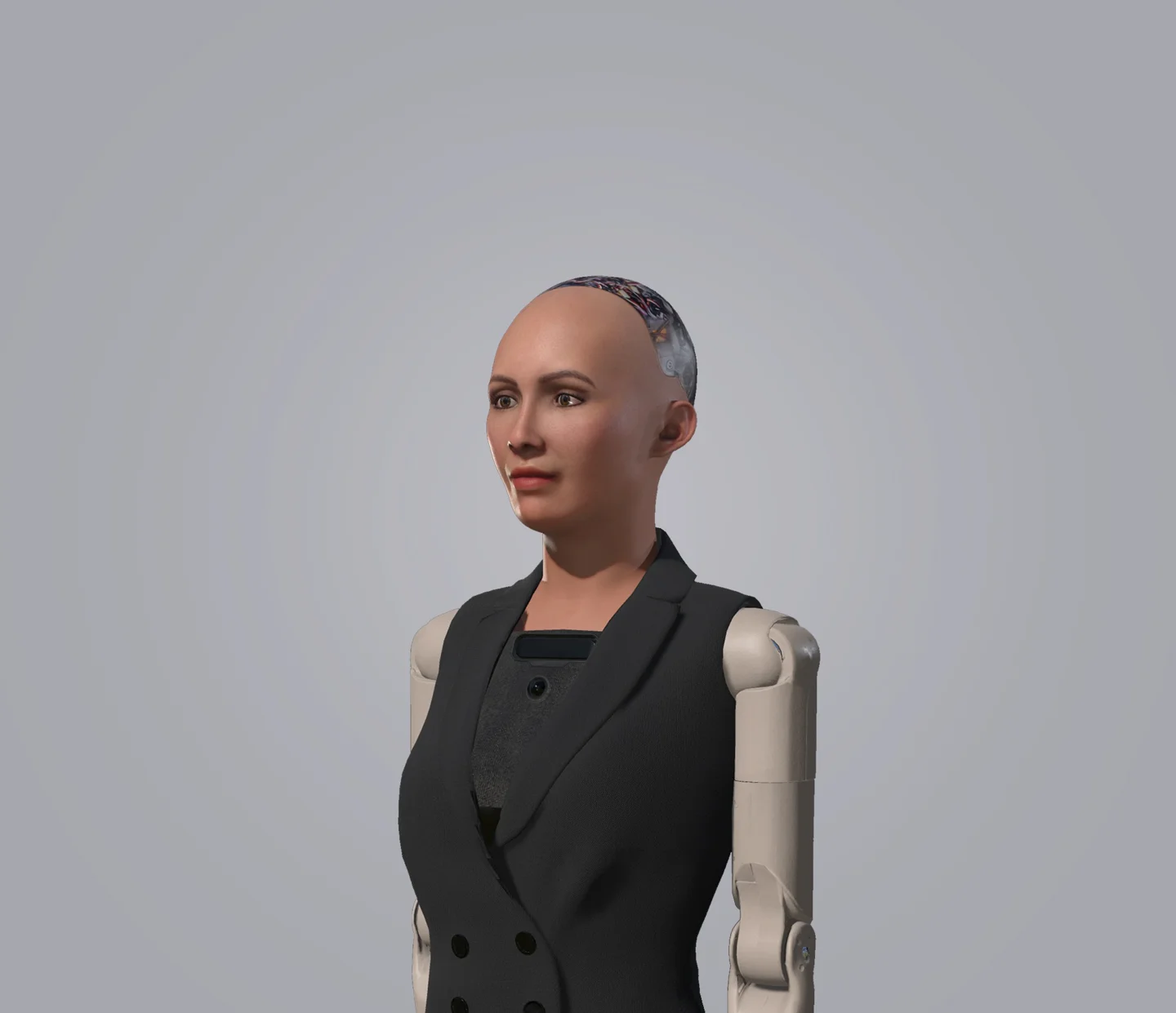
Design & interactionHow Expressive Robot Faces Are Created: 3D Modelling, Animation and Lip Sync
Explore robot facial animation, from 3D modelling and expression rigs to gaze and lip sync. Learn what to specify when commissioning an expressive robot face.
Read the guide 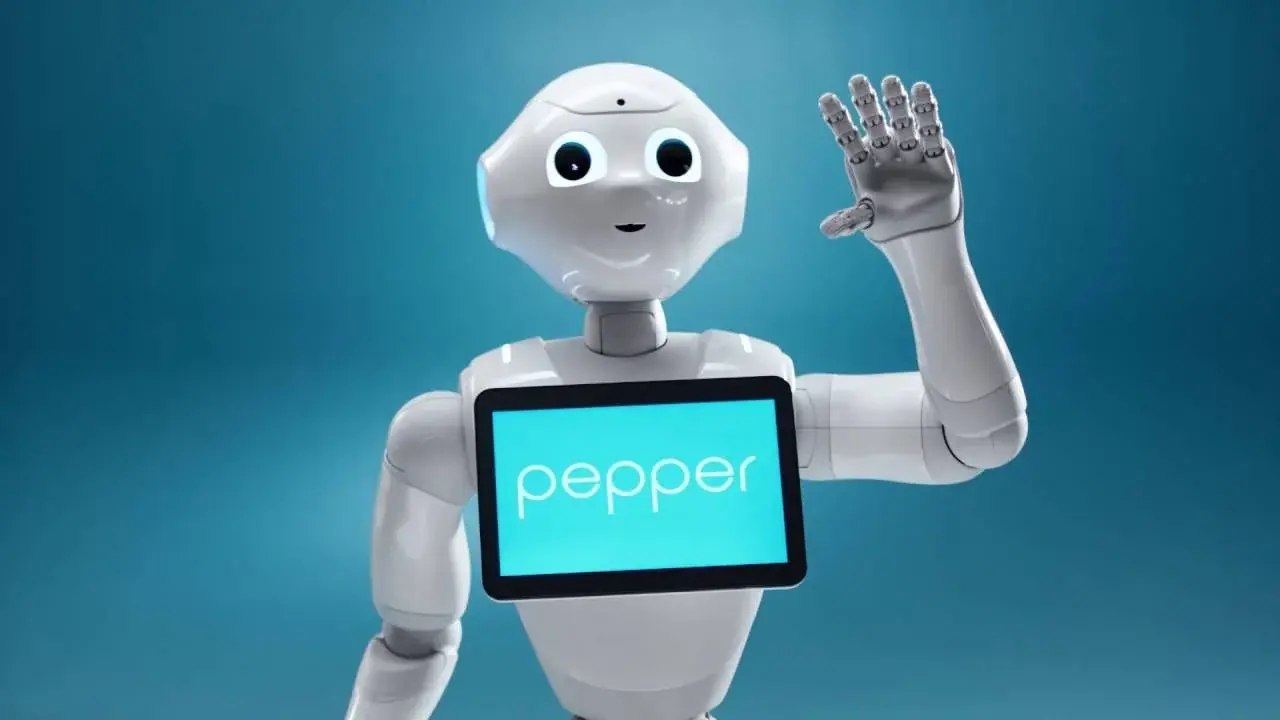
ApplicationsHumanoid Robot or Digital Human? Choosing the Right AI Experience for Your Event
Compare humanoid robots and digital humans for events. Explore venue needs, conversation design, budgets and a practical brief for your next brand experience.
Read the guide 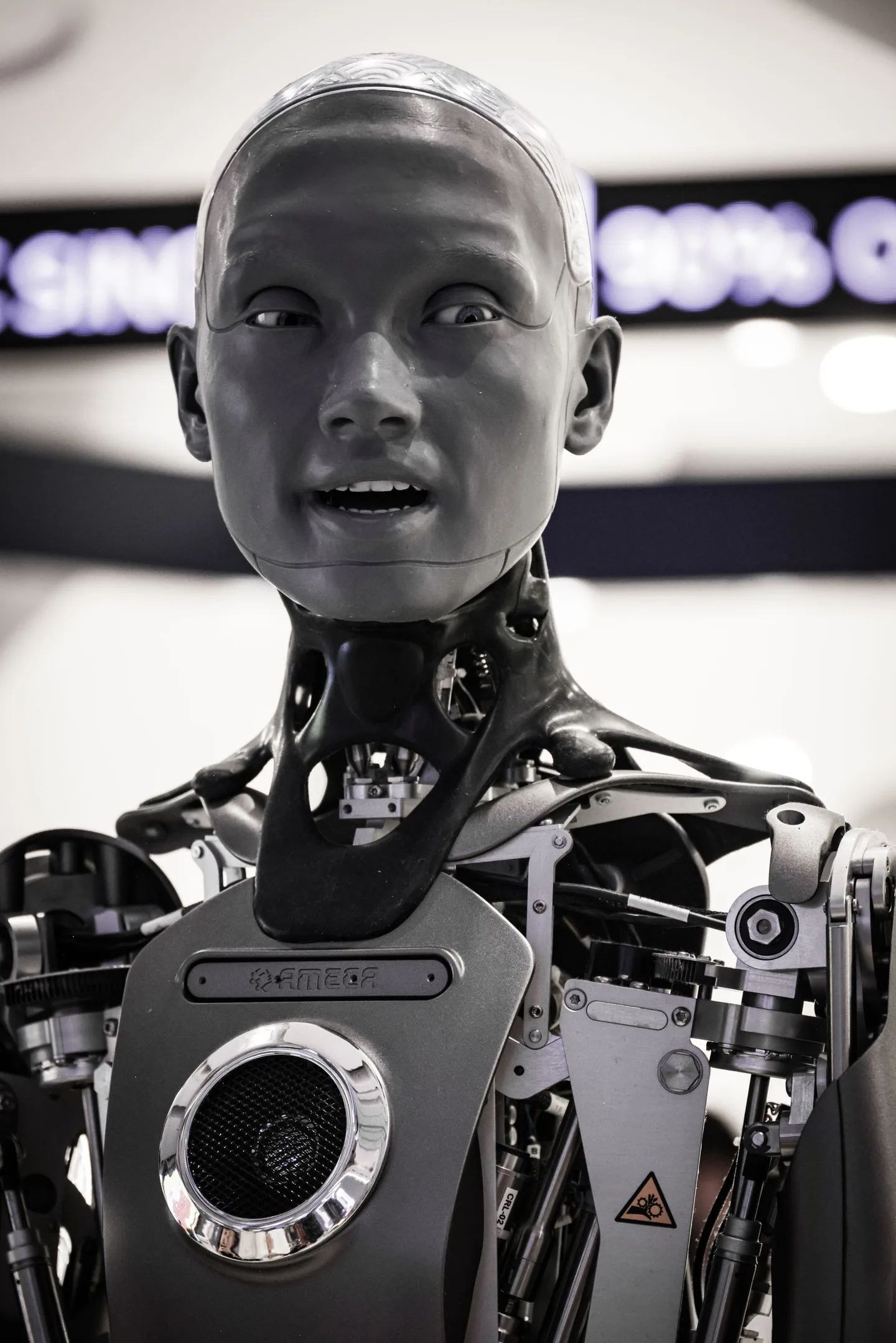
PlanningHumanoid Robot Cost: A Budget Guide for Custom Android Projects
How much does a humanoid robot cost when a project needs more than an off-the-shelf demonstration unit?
Read the guide 
TechnologyLifelike Robots: Technology, Applications and Deployment Guide
What makes a robot feel lifelike, and how can an organization move from an impressive demonstration to a useful, responsible human-machine experience?
Read the guide 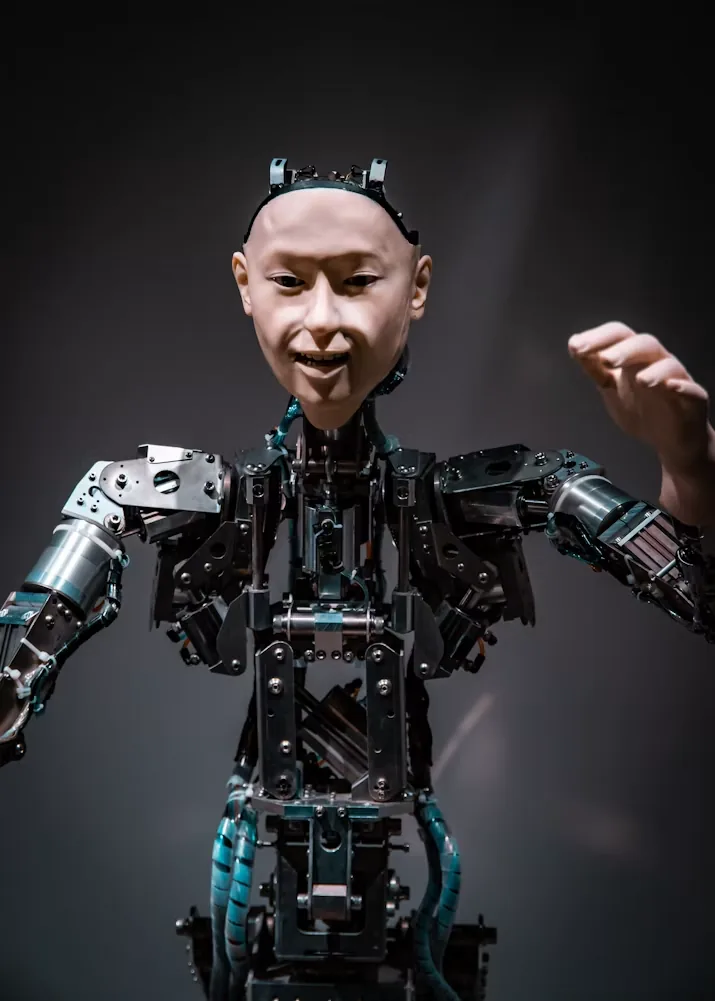
ApplicationsMuseum Robots: A Practical Guide to Visitor Experiences
Museum robots can greet guests, guide them through galleries, and make complex exhibits easier to explore. The strongest experiences are designed around cu
Read the guide 
PlanningHumanoid Robot Price in 2026: What Does It Cost to Buy or Build One?
A humanoid robot can cost from roughly $4,000 for an entry-level development platform to $100,000 or more for advanced research hardware, while a custom li
Read the guide 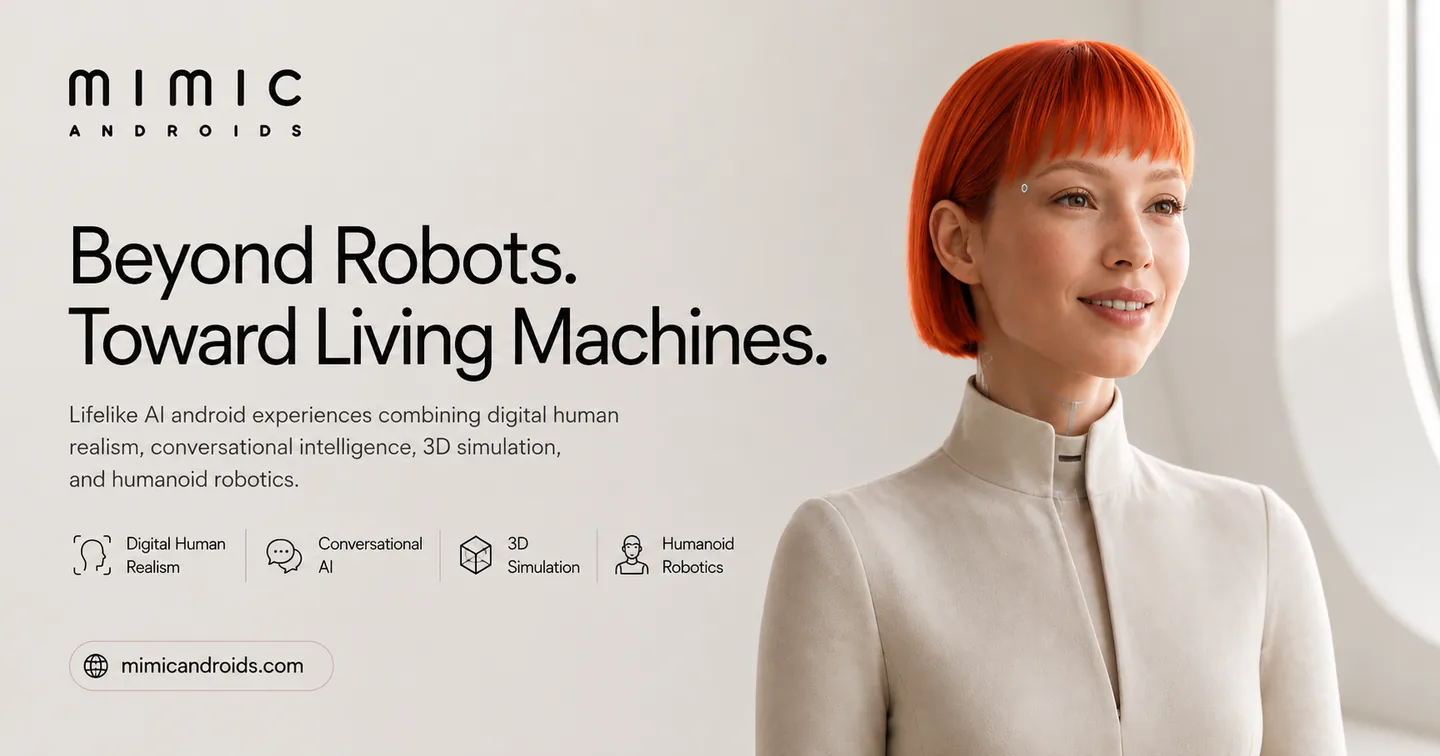
TechnologyWhat Are Humanoid Robots and How Do They Work?
Humanoid robots are engineered systems whose body, movement, communication, or social behavior resembles a person. Some have a full humanlike body; others
Read the guide 
ApplicationsWhat Is an AI Receptionist? How Robot Front Desks Work
What is an AI receptionist, and what changes when the receptionist has a physical presence?
Read the guide 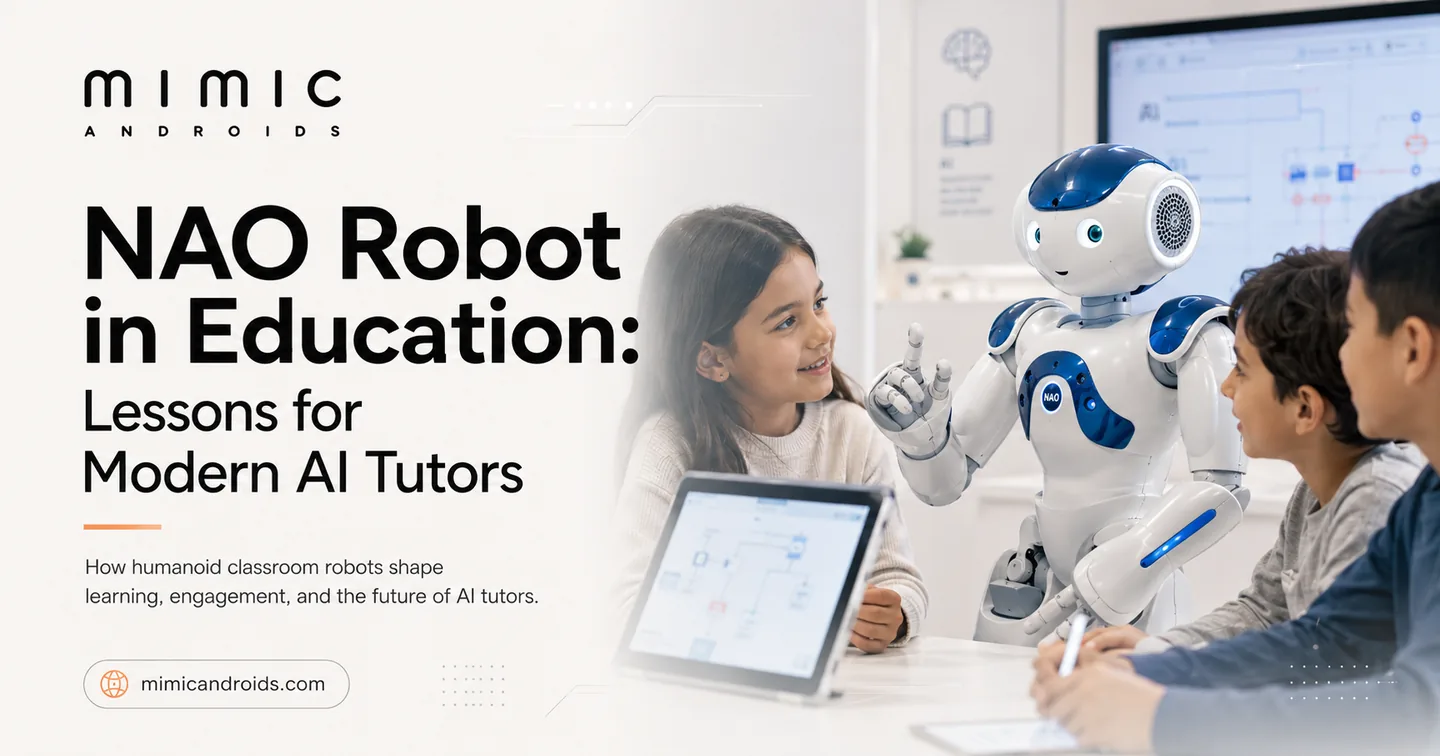
ApplicationsNAO Robot in Education: Lessons for Modern AI Tutors
For more than a decade, NAO has been one of the most recognizable classroom robots. While new AI platforms continue to appear, this small humanoid robot re
Read the guide 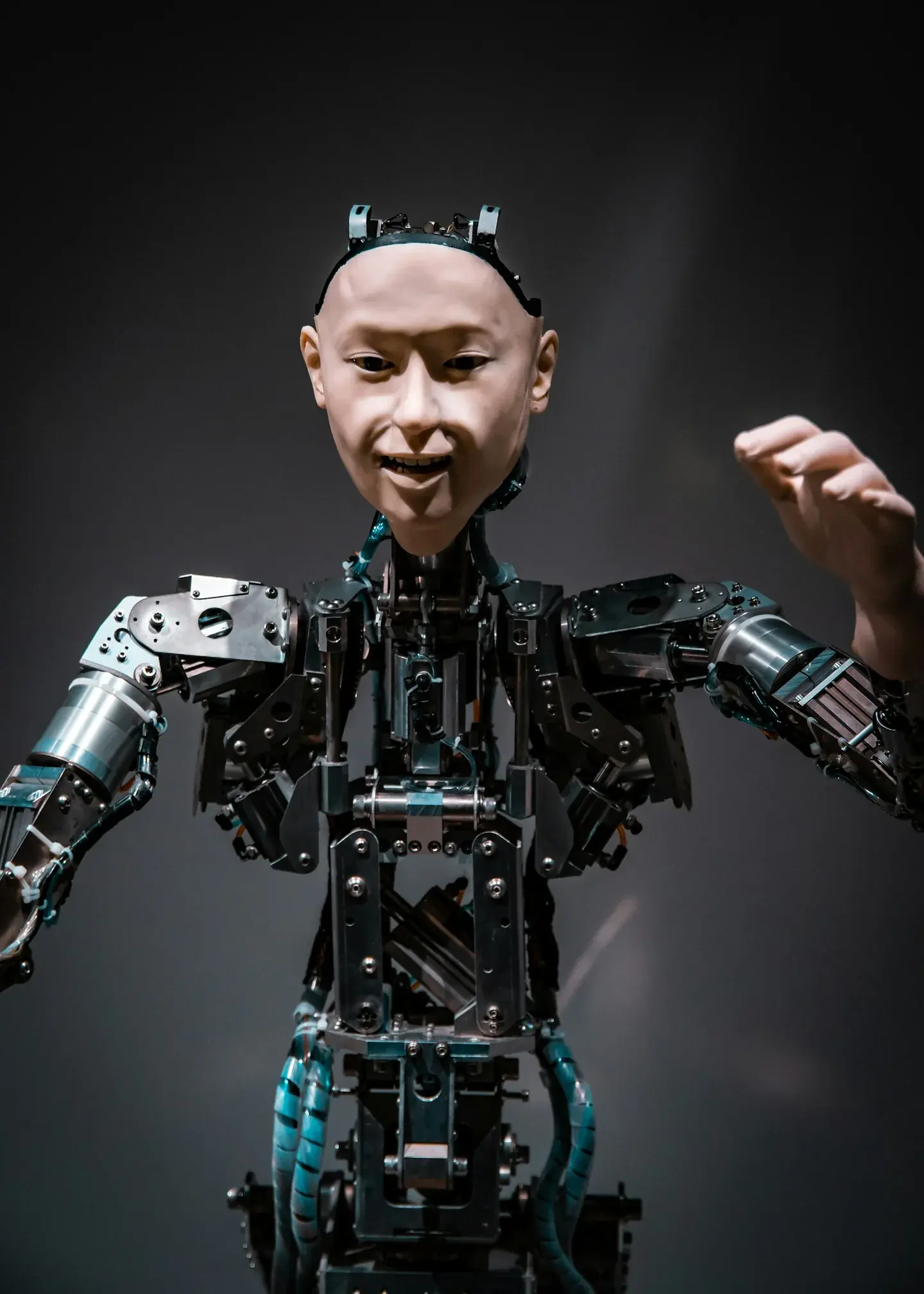
Design & interactionHuman-Robot Interaction: Designing Androids People Trust
Learn how human-robot interaction aligns conversation, movement, trust, safety, privacy, and testing for useful lifelike android experiences.
Read the guide 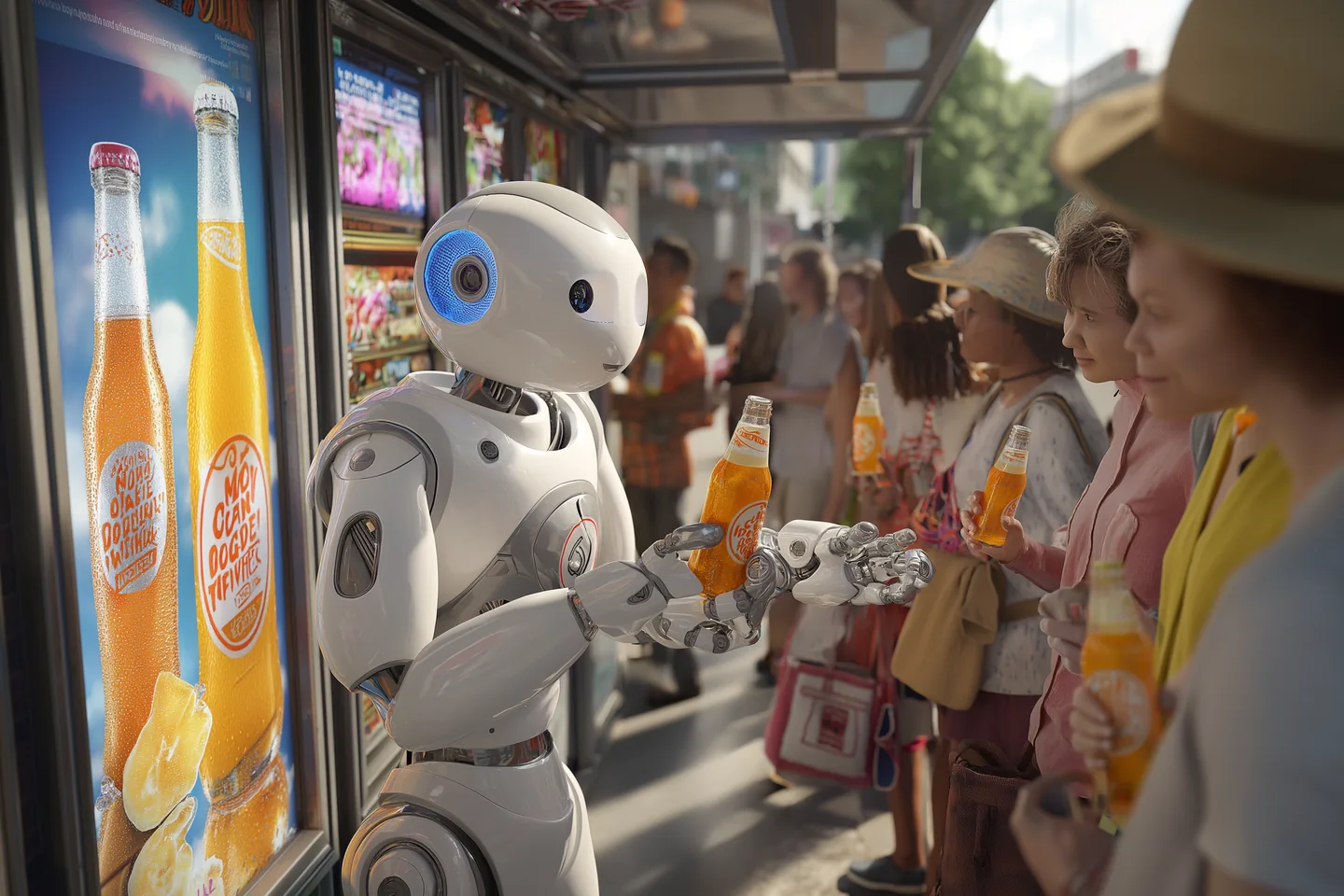
TechnologyHumanoid Robotics Simulation: From Digital Twins to Real-World Robots
Learn how humanoid robotics simulation, digital twins, motion capture, and conversational AI reduce risk and speed up real-world robot development.
Read the guide 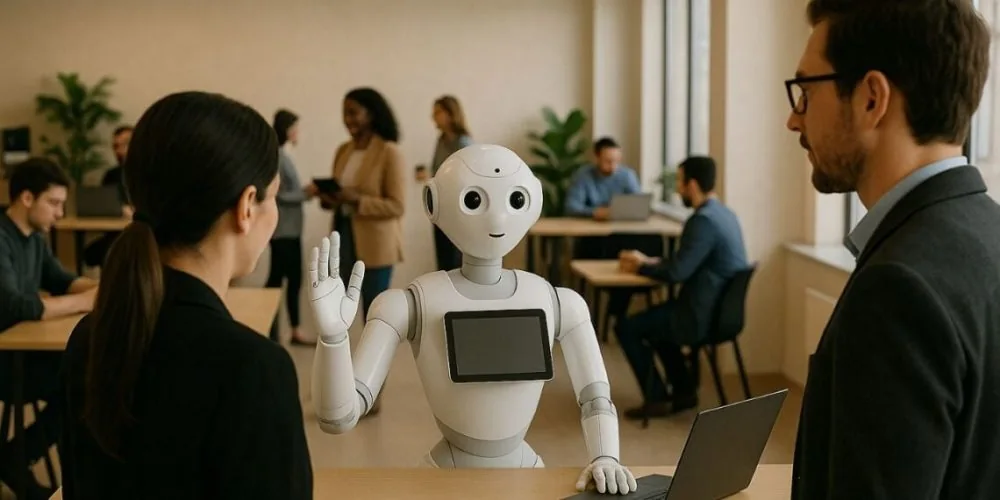
ApplicationsConversational AI for Customer Support Robots (Front Desk)
Explore how conversational AI powers modern front desk robots, from android receptionists to customer support service robots, covering architecture, character design, integrations, benefits, challenges, and real world deployment strategies.
Read the guide 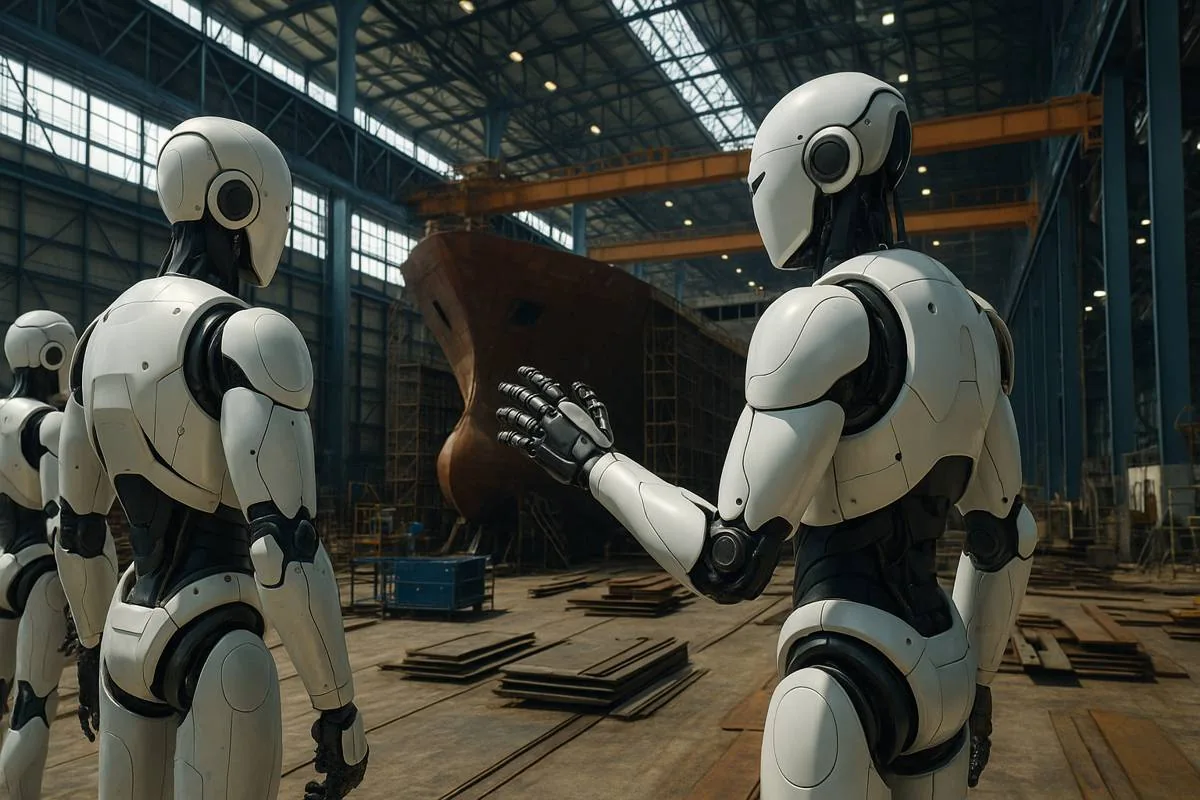
Design & interactionMultilingual Robots: Design Patterns for Global Deployments
Explore proven design patterns for Multilingual Robots and conversational ai robot systems, including architecture choices, persona design, localization strategy, and safety for large scale global deployments.
Read the guide 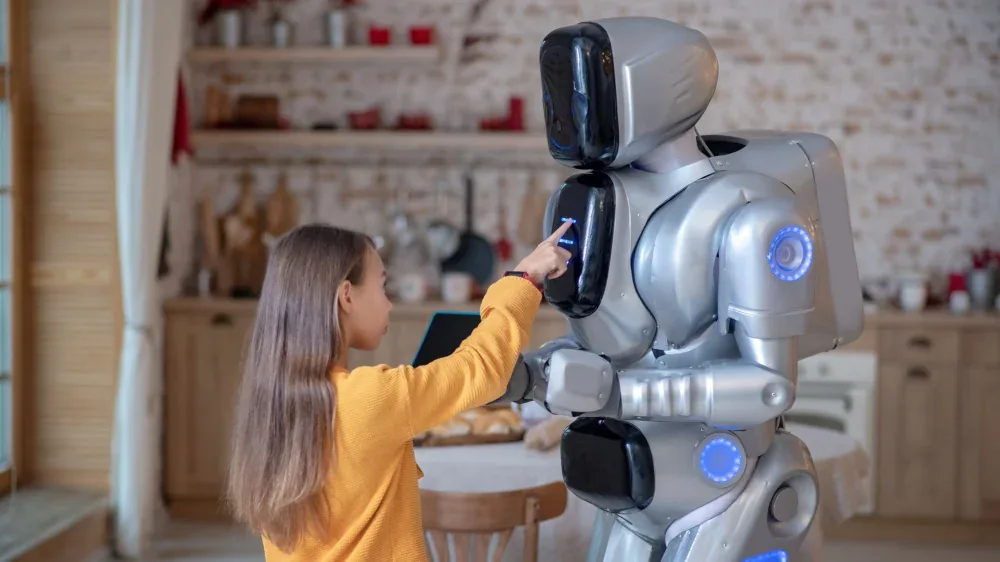
TechnologyWhat Are Intelligent Robots? Types, Capabilities, and Real-World Use Cases
Discover what intelligent robots really are, how they differ from traditional automation, the main robot types in use today, their core capabilities, real world applications.
Read the guide 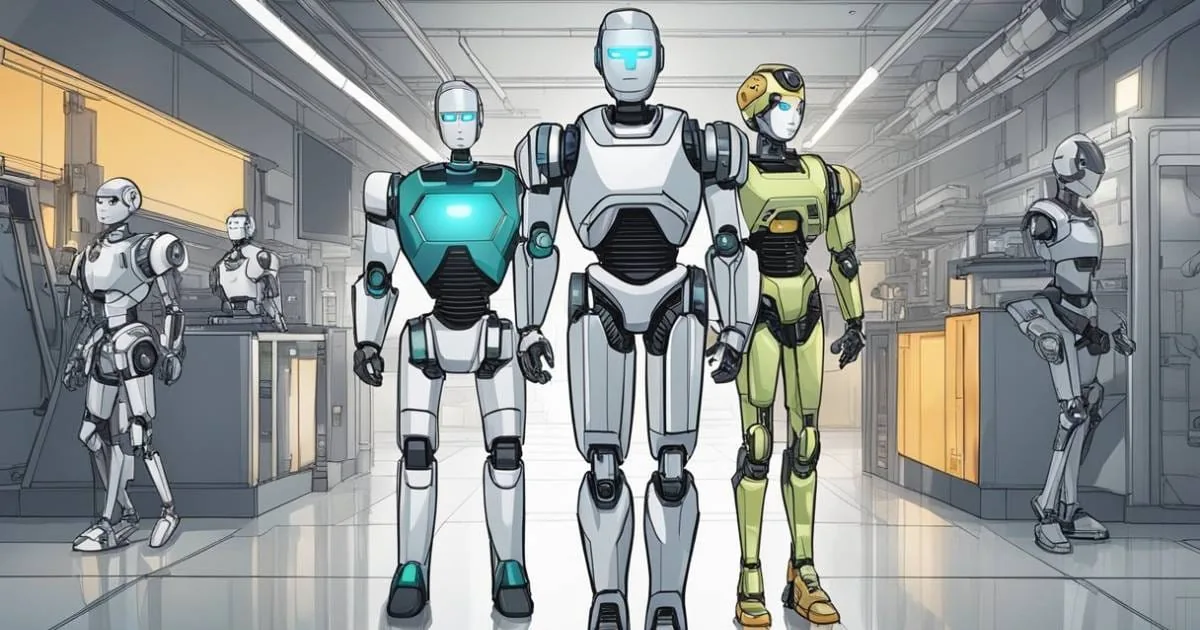
TechnologyHumanoid Robots vs Androids: What's the Difference?
Learn the real difference between a humanoid robot and an android robot, explore core use cases for humanlike machines.
Read the guide 
ApplicationsCompanion Robots Designing Trustworthy Social Interaction
Discover how to design trustworthy companion robots that feel safe natural and respectful in homes clinics and public spaces from motion language and perception to ethics production pipelines and long term deployment strategies.
Read the guide TechnologySmart Robots: Capabilities, Sensors, and Real-World Limits
Learn how smart robots actually work from sensors and perception through planning and control see where intelligent robots perform well where AI robots still struggle and how digital character work can support robotics development.
Read the guide TechnologyPepper Robot: What It Can Do, and Where Custom Builds Win
Learn what the Pepper robot really does well in retail, hospitality, banking, and healthcare, and see where custom built humanoid service robots offer better long term value for serious deployments.
Read the guide