Choose a role
Focus on a specific user need and environment.
 Contact
Digital human and android interaction concepts for visitor guidance, learning and research. These are potential applications: each requires its own brief, approved content and evaluation before deployment.
An AI virtual assistant concept can welcome visitors, explain services and guide them towards the right information. For a reception or event setting, clear instructions and a route to a member of staff are as important as the character itself.
Begin with a limited set of visitor questions and identify who maintains the answers. Decide how someone can reach a member of staff if the character cannot help. The AI receptionist guide outlines planning considerations; it is not a ready-to-buy product specification.
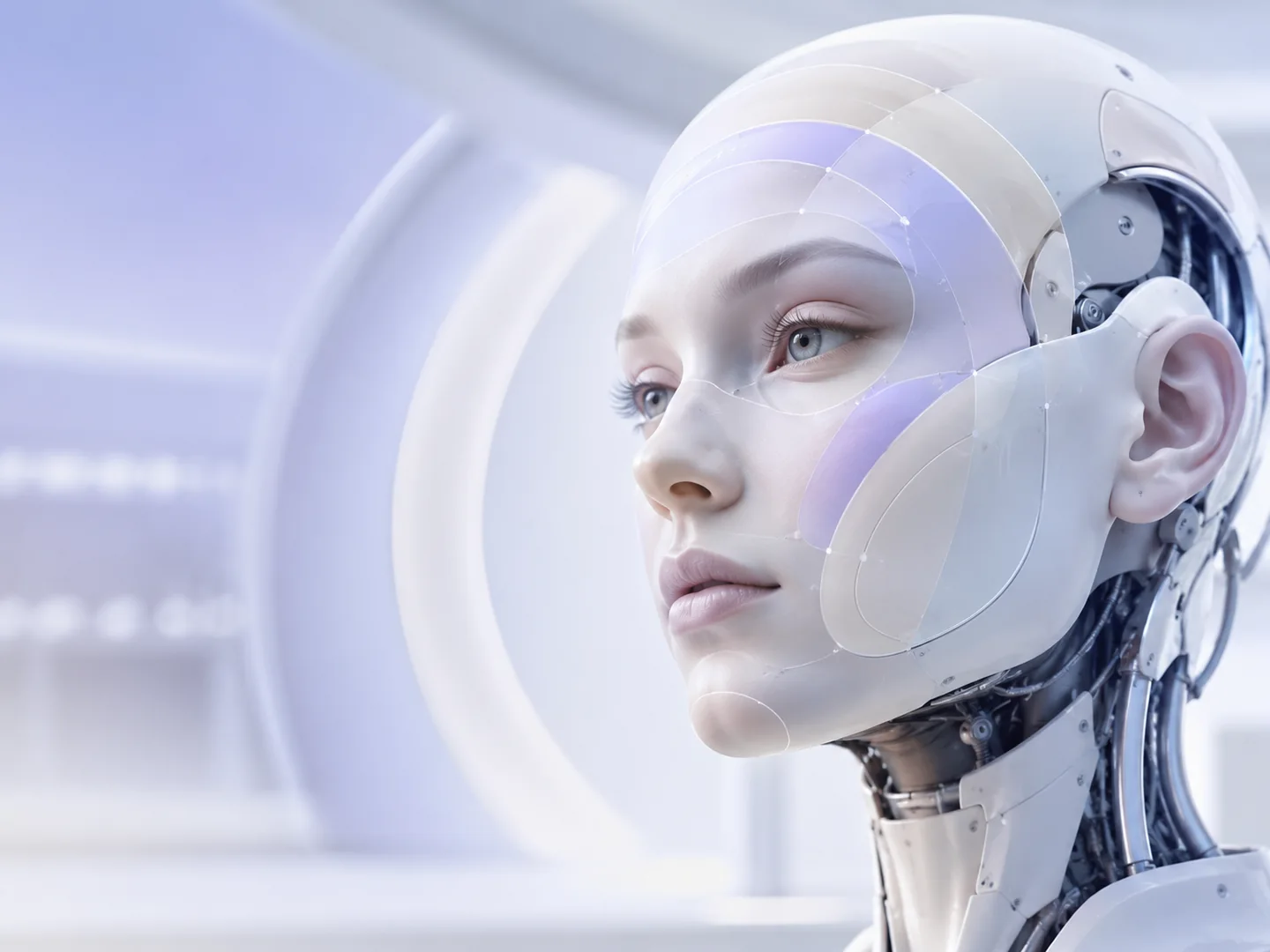
A character can introduce a topic, guide someone through content or support a practice scenario. Education, museum and brand concepts should be designed around an approved knowledge source and a clear learning or engagement objective.
Choose one topic and a defined audience before expanding the experience. Ask reviewers to check the explanation, reading or listening effort, and what happens when a visitor asks something outside the content. See the museum visitor experience guide for questions to include in a brief.
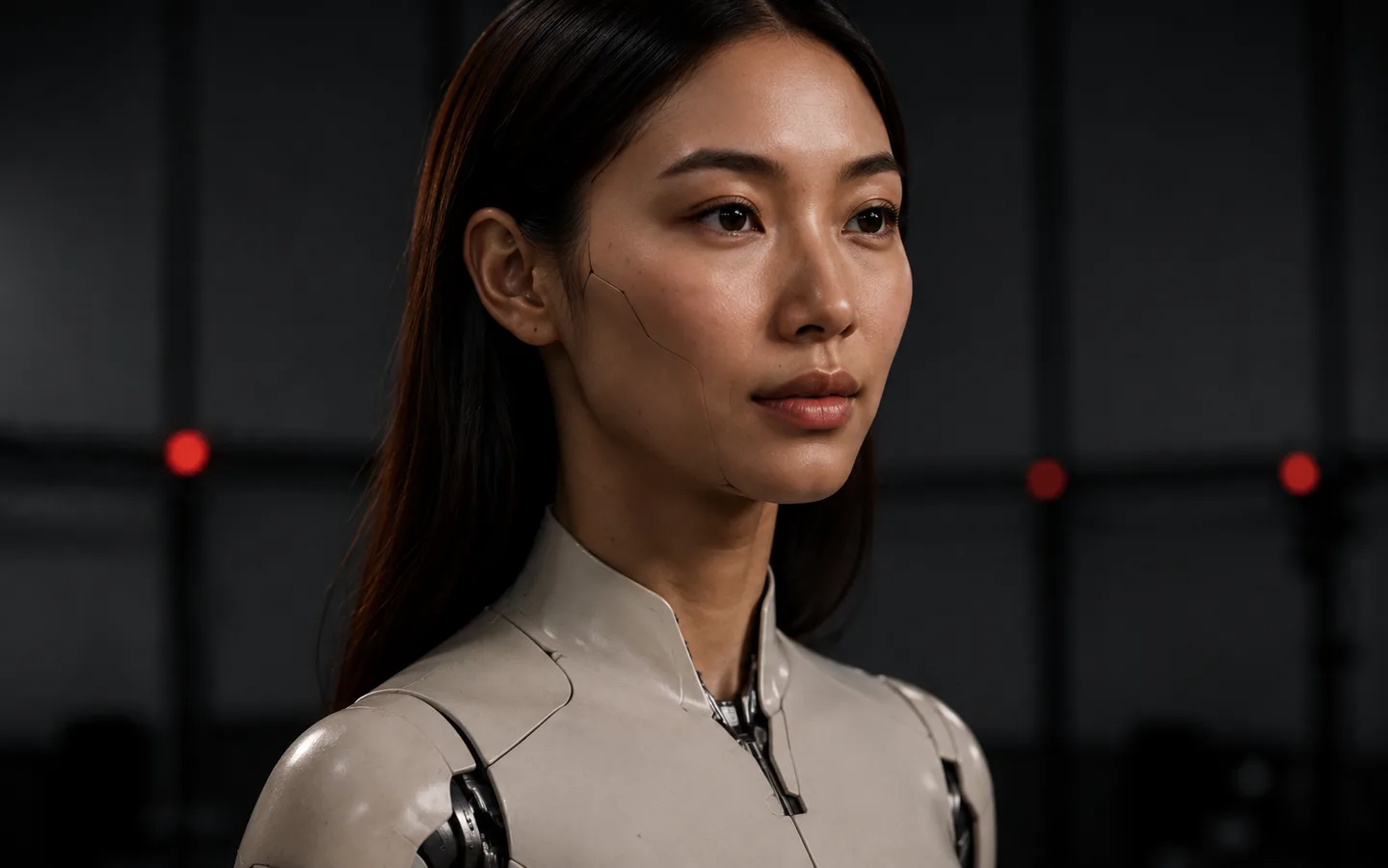
For research teams and innovation projects, an android concept offers a way to examine appearance, expression and interaction together. A scoped simulation can help compare alternative behaviors before a more complex implementation.
Separate the hypothesis you want to explore from features that only make a demonstration look impressive. Agree the scenarios, observations and review criteria with the research team. Our simulation and prototype workflow describes the digital layer; new hardware and research protocols need their own approval.
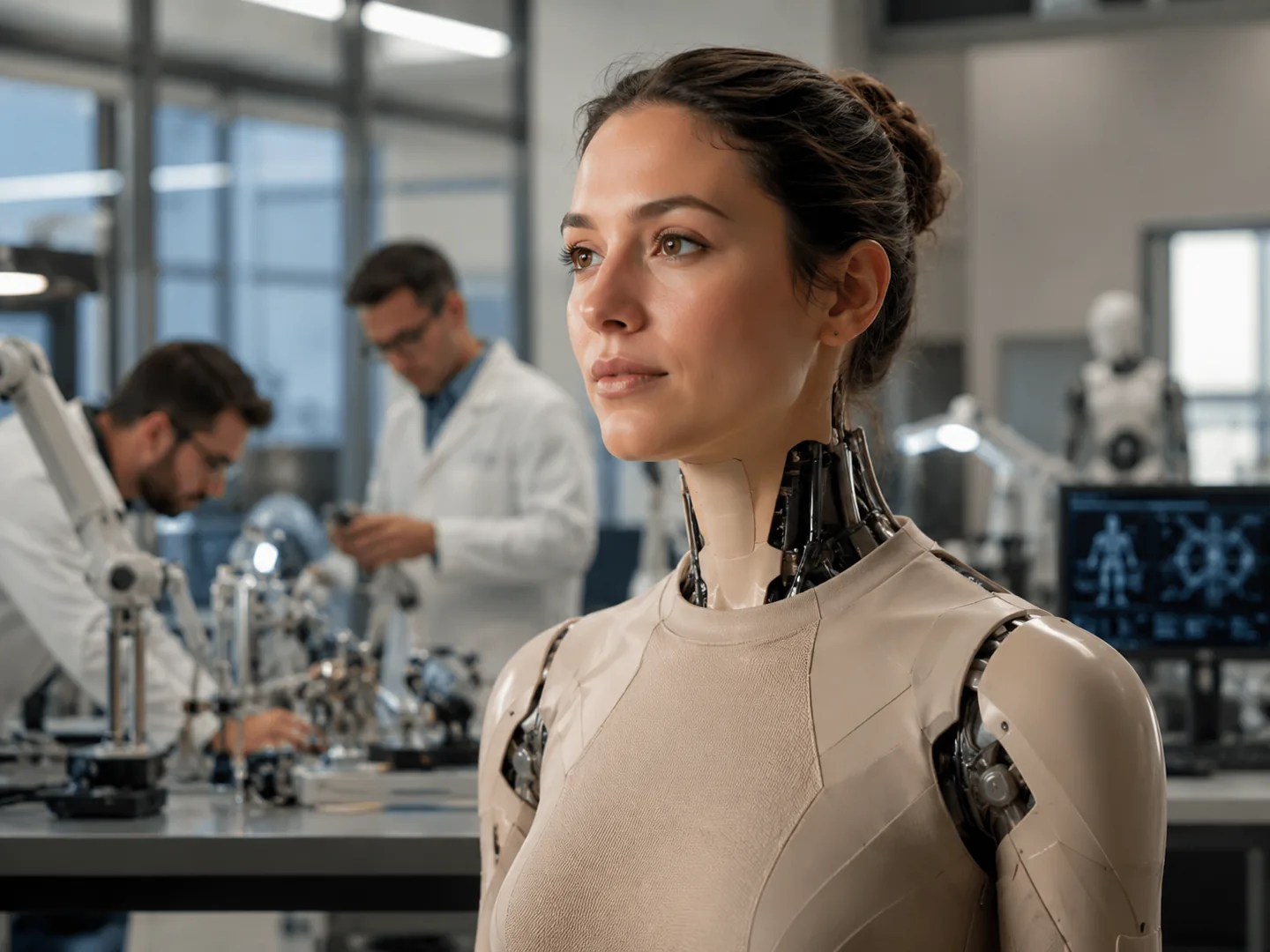
Focus on a specific user need and environment.
Define the character, knowledge and interaction boundaries.
Review realistic scenarios before planning deployment.
Potential applications include visitor services, education, exhibitions, retail, hospitality and research. The concept should be scoped around a specific audience and task rather than a generic industry label.
No. A virtual assistant can be a digital interface on a screen. A physical robot also requires hardware, mechanical systems and additional integration, which need their own project scope.
Your approved information can inform the interaction concept. Knowledge sources, permissions, updates and the technical method for using that content must be agreed during scoping.
Start with one use case, a description of your audience and the environment. Share the questions the character should address and what a successful pilot would demonstrate.